

In my opinion, Turkana University is wasting a golden opportunity. Not just for itself, but also for the County, the Nation, the region and even the globe. The opportunity lies in rolling out Animal Health, and effectively introducing courses leading to veterinary medicine and related academic programs.
Here is why.
Ideally, a people's culture determines their way of life. To date, in the entirety of East Africa, Turkana remains one of the most faithful communities to what can be termed the "livestock culture". From the period before birth all the way to long after death, there is almost always some association with a cow, a bull, a he-goat, a camel and even a donkey.
Ownership of animals is not just a status symbol. It is life itself. For that reason, small stock — goats and sheep — run into tens of millions. A similar account can be said of big stock: cows, donkeys and camels. They marry with animals; it is the centre of their family and clan relations. They pay fines with animals; it is an indispensable part of their justice system. They name the animal and attribute the same to the owner. It is at the centre of daily life, identity and pride. The story is limitless.
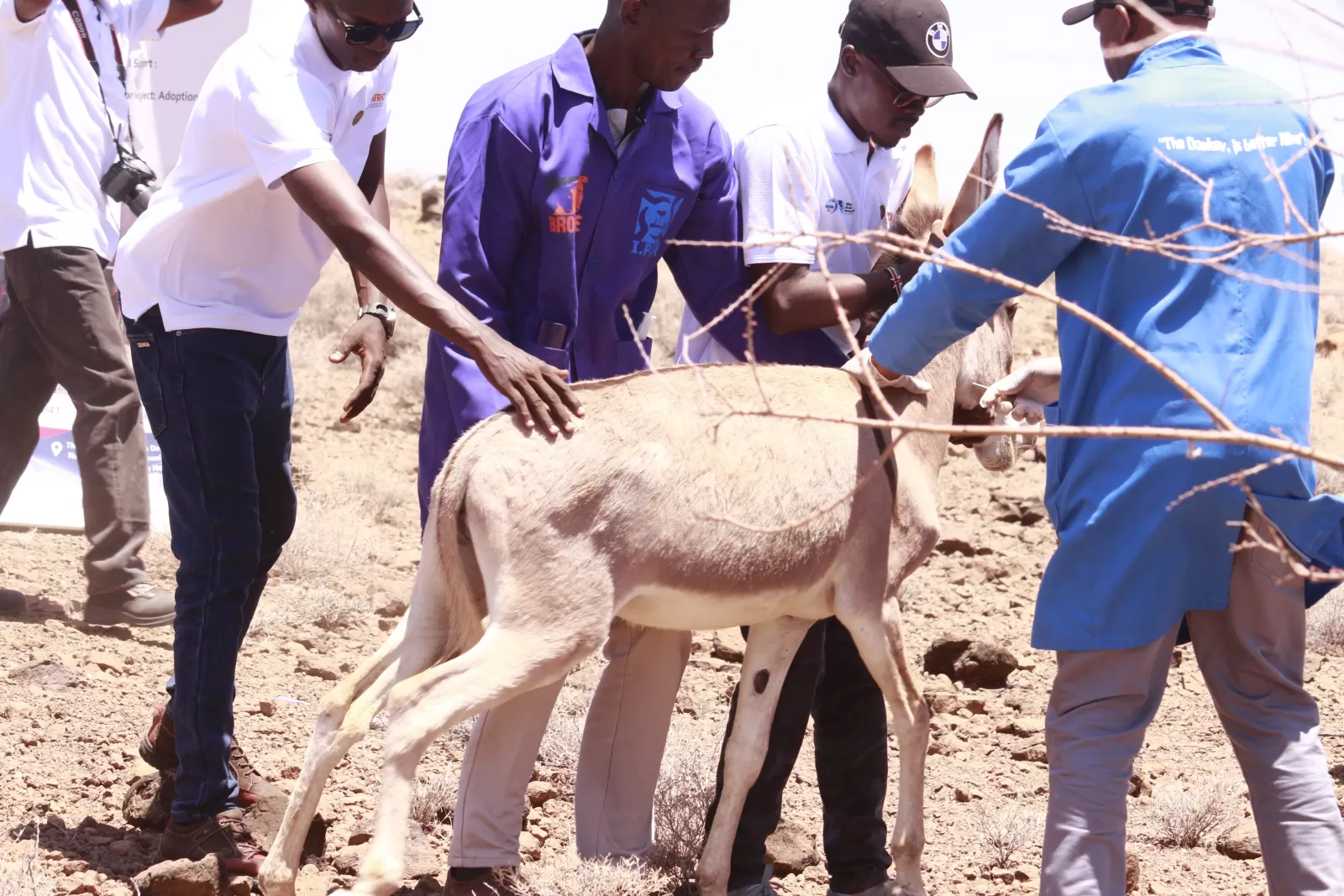
But how do they keep the animals healthy and safe? By and large, they have depended on traditional approaches and herbal medicine. When devolution came, the county moved to vaccination and veterinary supplies. Should the University begin the programme, who knows what the future holds? There is a huge potential waiting to be tapped.
With the first reason explicitly explained, let us go to the second.
Unlike any other county in Kenya, Turkana sits at a geographic location that has both local and international borders. Millions of animals move — I cannot say roam freely — across the expansive county in search of pasture and water. In short, the Turkana are pastoralists. And when weather patterns threaten pastoralism by occasioning long and severe drought, herders move across international borders. Some choose South Sudan, others Ethiopia, others Uganda. Their counterparts in those countries are also livestock keepers. When they go and return to new jurisdictions, they are exposed to new diseases and they expose others.
Protecting the health of the Turkana animal becomes a matter of priority. However, the neighbouring countries also benefit in the process; the potential danger to their animals is averted. Should the county continue to depend on Nairobi? Can the University not supplement the efforts of the County Government? As I see it, support will be erratic and haphazard should the University enter the framework without a dedicated department. This is one area of great need, and the utility value of such a department cannot be overemphasized. Just as entry and exit points host Port Health units for humans, the University's animal health department could host a cross-border animal health unit.
After examining the need and firmly establishing that the department is not just for pride but a necessity, let us shift focus to infrastructure and support systems.
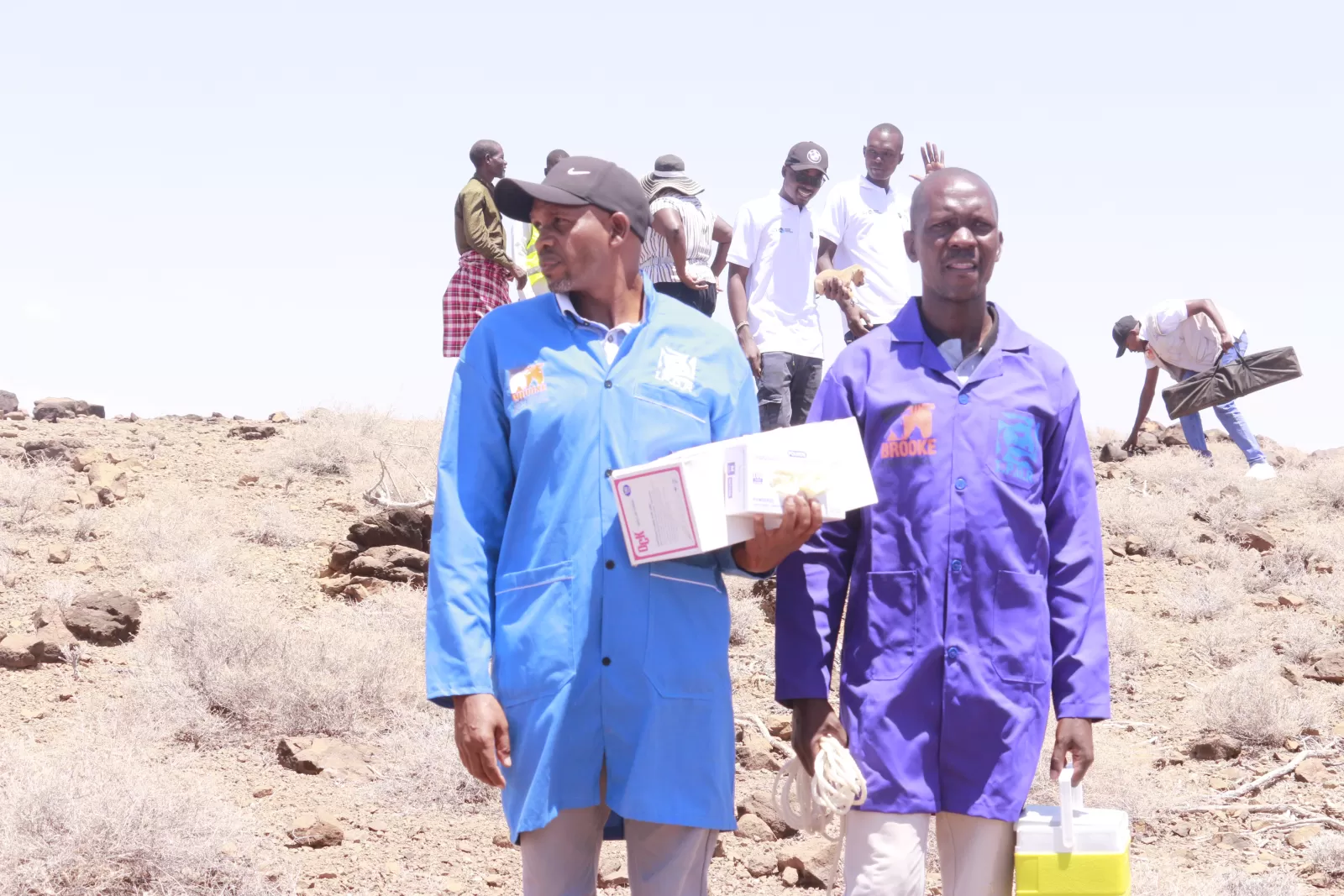
The County Government comes first, specifically through the Directorates of Livestock Production and Veterinary Services. Even without the University, the two have successfully initiated breeding programmes and quality control measures. They have ensured that 70 percent — the highest in Kenya — of small stock are vaccinated and routinely treated. They have roped in serious partners including the Kenya Veterinary Association, Pastoralists Adaptive Initiative for Resilience (PAIR), Welthungerhilfe (WHH), IPDR and many others. All routinely contribute to access to veterinary supplies and vaccination.
One association stands out, though: the Kenya Women Veterinary Association (KWVA). For five years, it has run an end-to-end mentorship programme at Turkana University to promote animal health awareness and create demand for services. Its impact is tangible. Over the last five years, no dog or cat has been referred to Nairobi or any other town for spay or neuter surgery. In the next ten years — let us say in the next many years — no cat and dog will need to be.
Dr Ann Ndeke, a theriogenologist and lecturer at the University of Nairobi's Faculty of Veterinary Medicine, has been conducting the surgeries. For sustainability, she trained all veterinarians employed by the county. An effort by an individual, under the support of an association, translated into a thriving capacity for the department to act. The partnership is now ending. What if the University steps in to continue the role?
Dr Marilyn Karani, former chair of the Kenya Women Veterinary Association and the person who conceived the partnership with Turkana, believes the University has sufficient support. She points to the demand created and awareness built over the years as a ready market for the programme. In her view, the University too has the numbers; the bulging student population calls for expansion. Veterinary medicine is a good option.
Dr Benson Longor, the County Director of Veterinary Services, has not only built the infrastructure under the leadership of H.E. Governor Dr Jeremiah Lomorukai, he has also midwifed efforts that turned the department into an internship institution. Currently, it is the University of Nairobi that benefits. In his words, the internship infrastructure can sufficiently accommodate more universities, including Turkana University.
Beyond individuals, there is institutional support. In a bid to tap into the potential of the livestock value chain, the National Government is investing to revive the Lomidat abattoir and the Naurenpuu tannery. State Departments for Defence, Livestock Development and Veterinary Services have all been roped in. Beyond the talk, Turkana must boost the health of its animals to qualify for inclusion as slaughter products. A course in animal health will most probably bridge that gap.
Even the county has not been left behind. It has invested tens of millions into establishing a County Veterinary Laboratory, a standard facility capable of providing services of a Biosafety Level 2 lab for the county, the region and international neighbours. Can the University not co-opt the facility and turn it into a learning centre of excellence? Even the University of Nairobi did so with Kabete and the network of other veterinary laboratories. The county will benefit, so will the University, the students and livestock keepers. No more shipment of samples to Eldoret for laboratory services. Time saved, costs reduced and quality improved.
What about curriculum and staffing? Dr Allan Azegele, Director of Veterinary Services, has a formidable response. In short, his directorate will advise on the right curriculum content and even support the process by looping in local and international keepers of standards to ensure compliance. What more does the University need beyond that promise? Besides, Dr Azegele just joined the long list of academicians and technocrats who have presented a case for veterinary medicine in Turkana University — a move that the College Principal, Prof. Chemining'wa, supports.
On staffing, the human resource to support teaching and research remains abundant. Even members of the Kenya Veterinary Association have expressed readiness to offer their services wholeheartedly. In a recent interview, Dr Ann Ndeke said there was heavy investment by the Government into animal health in Turkana, adding that the same should not be left to go to waste due to lack of human resources.
"If the need arises for veterinary health professionals to come and provide service in Turkana, including teaching and research — then, we are fit for the call. We are ready to serve the people of Turkana," she said.
The question is no longer whether Turkana University can start Animal Health. It is whether it can afford not to.

Comments
No approved comments yet. Be the first to join the conversation.