

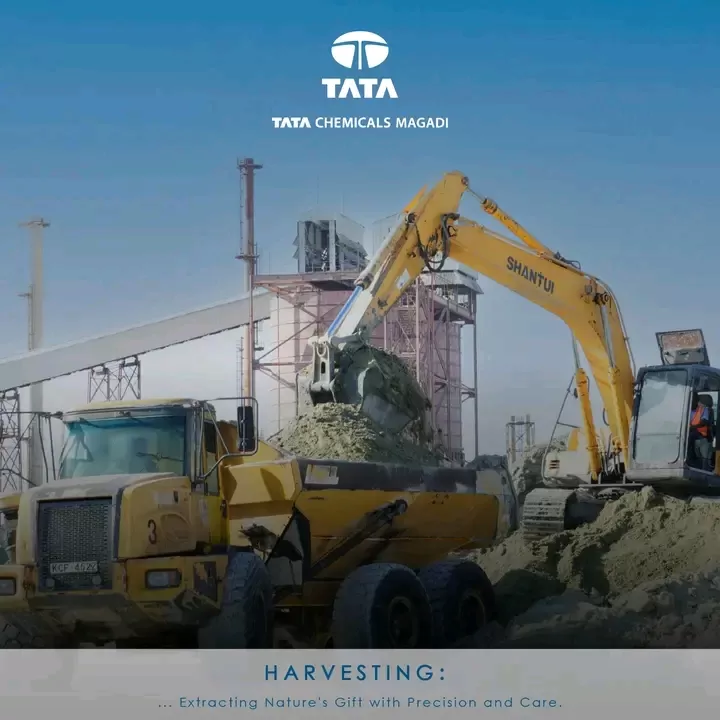
President William Ruto has directed Tata Chemicals to end its operations at Lake Magadi in Kajiado County, marking a major shift in Kenya’s relationship with the Indian-owned company.
What Happened?
On September 3, 2026, Ruto said Tata Chemicals should leave Kenya, accusing it of extracting soda ash without providing enough local manufacturing, jobs and investment.
The announcement followed a July suspension of Tata Chemicals Magadi’s mining operations during a government compliance review. The company says it submitted all requested documents and remains compliant with Kenyan regulations.
Why Lake Magadi Matters
Lake Magadi is a major source of soda ash, used in glass, soaps and detergents.
Kenya exported about 254,779 tonnes of soda ash worth $56.9 million in the year ending July 2025. Tata Chemicals says its Magadi operation is Africa’s largest soda ash facility and has operated since 1911.
What the Government Wants
Ruto wants Kenya to gain more value from its natural resources through local manufacturing rather than exports alone.
He has suggested bringing in new investors to develop industries such as glass and chemicals in the region. The policy reflects a broader African debate over resource extraction, job creation and value addition.
Tata Chemicals’ Response
Tata Chemicals rejects claims that it failed to meet Kenyan requirements. It says it provided all requested information and is awaiting further direction from the Ministry of Mining.
The dispute involves regulation, investment, local development and control of Kenya’s natural resources.
What Happens Next?
The operation’s future remains uncertain. Tata Chemicals’ departure could affect workers, businesses and nearby communities, while the government believes new investors could create more manufacturing and jobs.
The key question is whether Kenya can expand local industry without losing employment and export revenue.The dispute could also influence how other multinational companies view investment in Kenya.
The bigger question remains ,who will take over if the operations are shut down completely, what happens to the people currently working in the Company,
what steps is the government taking to ensure the resources benefits Kenyans to the fullest ,
change is yet to be seen.



Comments
No approved comments yet. Be the first to join the conversation.