
One of the biggest questions today for all counties in Kenya is simple: What can we do to increase Own Source Revenue?
In 2010, Kenya gifted itself what experts believe is the most progressive Constitution, which created devolved units (counties) and provided for annual disbursement of funds as equitable shareable revenue. The country even established the Commission on Revenue Allocation (CRA) as part of the legal infrastructure to determine and regularly review the criteria for allocation. Other than allocation, Own Source Revenue for counties is also one of the mandates under the armpit of CRA.
The question is, can Turkana, a county that has generated less than Ksh 1.5 billion in OSR in the last three financial years (Ksh 177 million in 2022/2023, Ksh 530 million in 2023/2024 and Ksh 400 million in 2024/2025) begin to make up to Ksh 13 billion or more annually? Can Turkana play in the multi-billion earners super league of Nairobi, Narok and Mombasa that posted Ksh 13.19 billion, Ksh 5.69 billion and Ksh 5.13 billion respectively in the most recent 2024-2025 financial year?
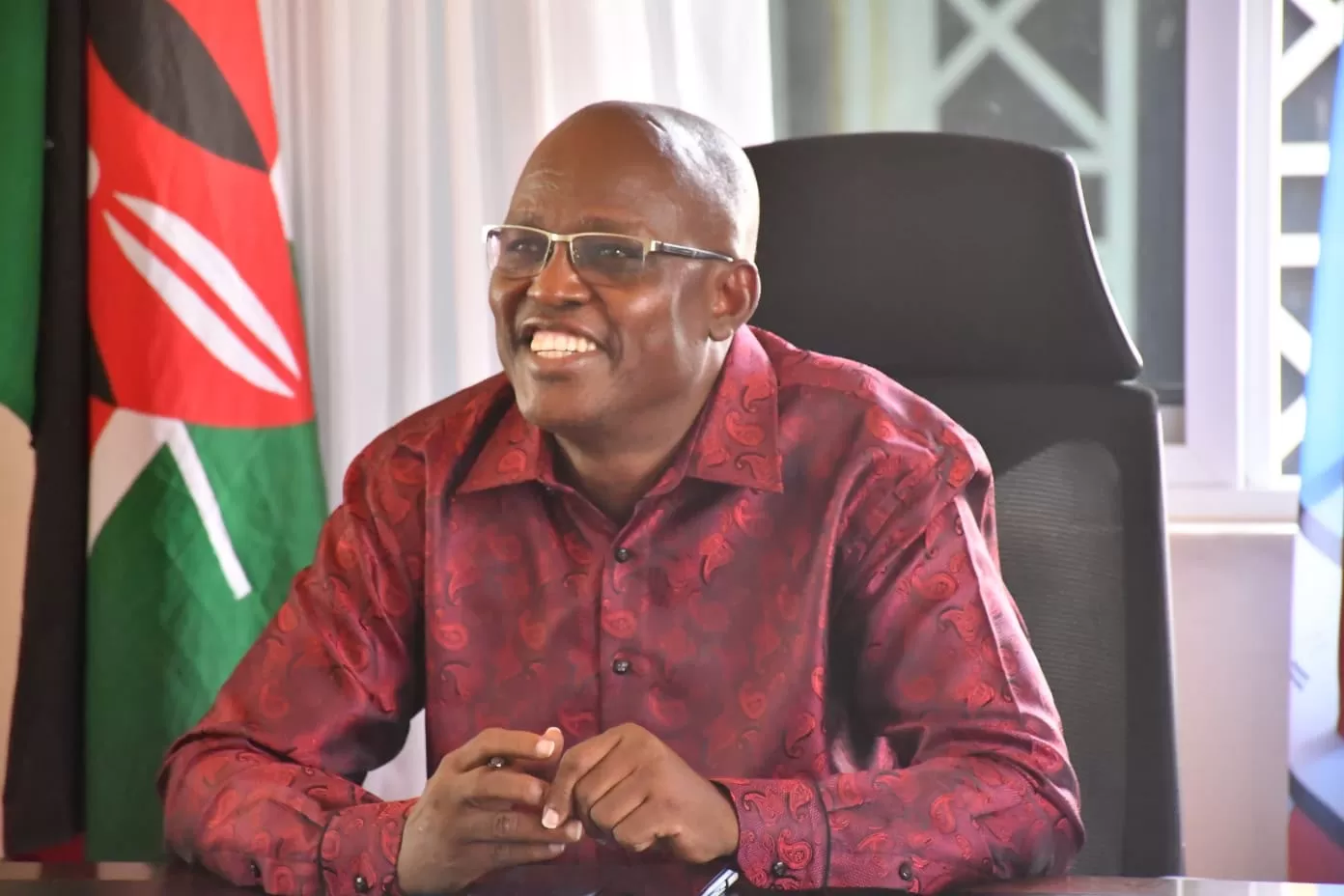
Book a Mid-Article Native AdDesktop: Fluid (728x90) · Mobile: Fluid (300x250)Governor Dr Jeremiah Lomorukai and his Deputy Dr John Erus believe this is possible. However, for them, this cannot be done through the traditional collections from markets, licences, fees, levies and charges proposed by financial experts. It can be done by opening up new revenue streams.
In a recent meeting with the UNHCR, government agencies and development partners, Governor Lomorukai pointed to the livestock value chain as a potential top earner for Turkana. He estimated that a major abattoir at Lokichoggio and several other industries handling hides and skins, meat processing and animal products spread across Turkana could generate yearly revenue of up to Ksh 2 billion. Besides, the Governor also believes that the major abattoir will serve the three neighbouring nations of Uganda, South Sudan and Ethiopia owing to Turkana's strategic geo-political location touching all three nations. This is yet another opportunity for revenue through international trade.
The Deputy Governor, Dr John Erus, puts it even more succinctly: investing Ksh 620 million in vocational training and skilling of the youth to get back a workforce capable of generating a yearly return of Ksh 2.4 billion in revenue.
Dr Erus does not stop there. He believes that unlocking the water access challenge currently facing Turkana West can open up opportunities for agriculture, fodder production for commercial returns and create up to 50,000 business ventures that depend on water, such as car washes and others. In his estimation, a one-time investment of about Ksh 2 billion into the Tarach Dam project can have a yearly return of Ksh 2.1 billion.
Book a Mid-Article Native AdDesktop: Fluid (728x90) · Mobile: Fluid (300x250)In order to ensure that the identified revenue streams are fully exploited over time to unlock potential for billions in OSR, the county has set its goal on wealth creation as the fundamental pillar of the fourth generation CIDP. Governor Lomorukai has even taken the lead in soliciting assistance from the national government to put up necessary infrastructure such as a Home of Human Origin Museum, an irrigation and food production program using waters of the Turkwel Dam, a modern sports stadium at Lodwar and the first Level 5B hospital in Turkana, among others. The Deputy Governor, on the other hand, has increased engagements with development partners with calls for formation of a County Implementation Unit to oversee the investments. The strategy itself has so far attracted an investment of more than Ksh 25 billion over the last three years.
Deputy Governor Dr John Erus is leading the pack in proposing measures in faecal waste management for financial gain through adoption of Urinal Dry Diversion Toilet (UDDT) technology, heavy investment in the fish value chain and tapping of solar energy for bulk supply to Kenya Power. He estimates that these three sectors can rake in up to Ksh 10 billion.
On the power of cooperatives, the county estimates that residents are already paying up to Ksh 10 billion to service providers through fintechs in Kenya and abroad. Think of this: every day, a mother in Kalemnyang pays Ksh 50 for a solar light, a boda boda rider pays up to Ksh 300 for his motorbike and thousands more pay between Ksh 60 and 250 for their mobile phones under the _lipa mdogo mdogo_ programme. That money goes to Nairobi every day via mobile money. What if we use a similar approach to ensure the money stays in Turkana? If someone can pay Ksh 60 for a service on a daily basis, he or she can also contribute a similar amount to a savings and loans cooperative to create a local revolving fund.
The trajectory of thoughts by the two leaders seems to suggest that the yet-to-be-unlocked revenue streams carry much bigger potential than the traditional sources. What is, however, striking is that the two are now guiding the conversation to include opportunities in minerals, extractives, oil, gas and, most recently, the Lake Turkana ferry project.
Both the Governor and his Deputy believe that the refugee inclusion programme is yet another goldmine for revenue generation. The two have insisted that the county must be fully empowered to implement the KISEDP programme and the government-led Shirika Plan. In fact, DG Erus has severally been quoted by the media calling on CRA to consider refugee hosting status as a criterion for revenue allocation in Kenya.
The math is no longer in doubt. Turkana does not need to beg for Ksh 13 billion. It already generates and exports close to Ksh 10 billion every year through daily payments for solar, phones and motorbikes. The task is to turn that daily outflow into a daily saving through our own cooperatives, our own abattoir, our own dam and our own solar plant.
The Governor and his Deputy have put the proposal on the table. The question is no longer whether Turkana can match Nairobi's equitable share. The question is whether the county assembly, development partners and the people of Turkana are willing to put real money where the real potential is.
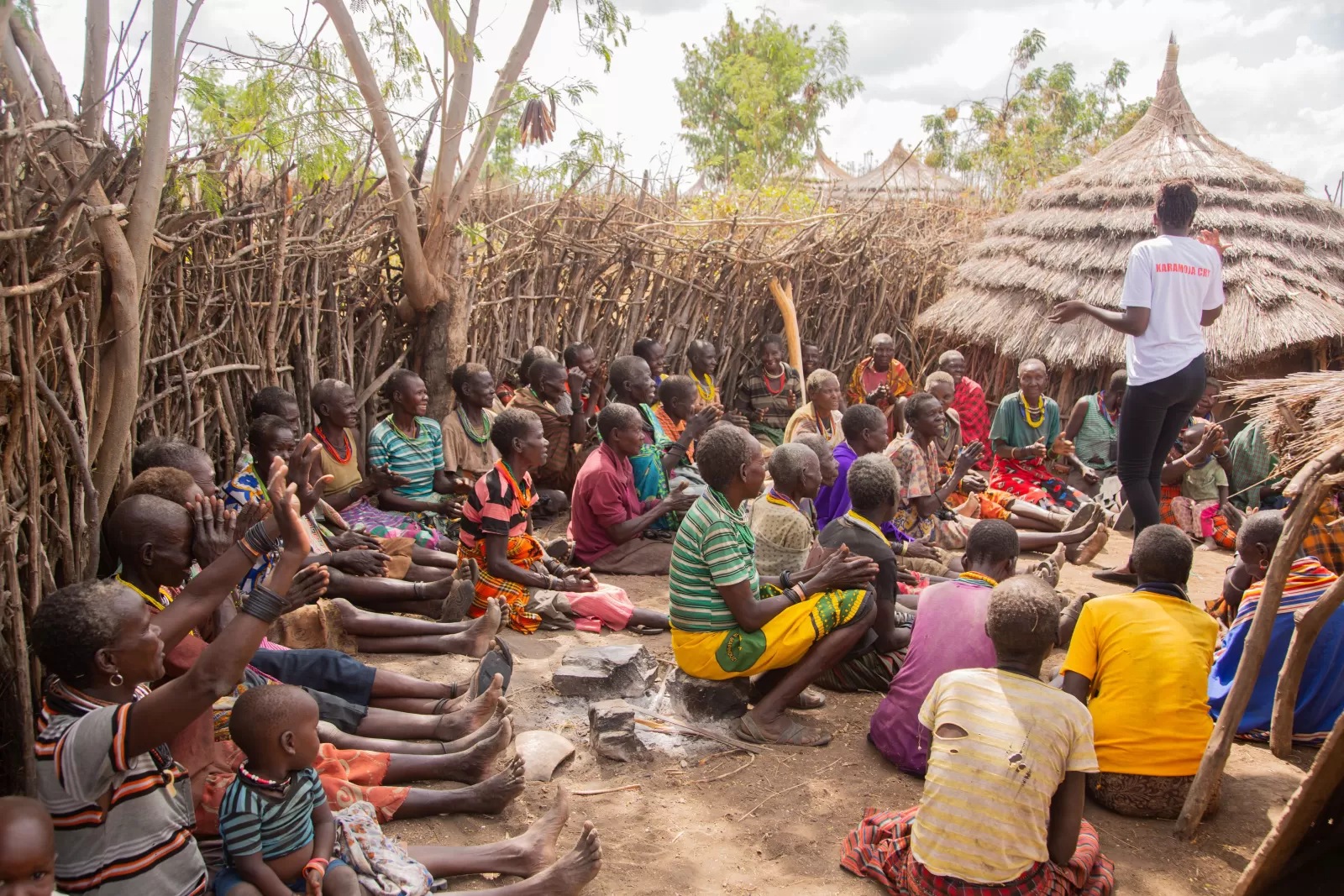
That conversation must now leave the boardroom and go to the kraal, the market and the manyatta.
Comments
No approved comments yet. Be the first to join the conversation.