
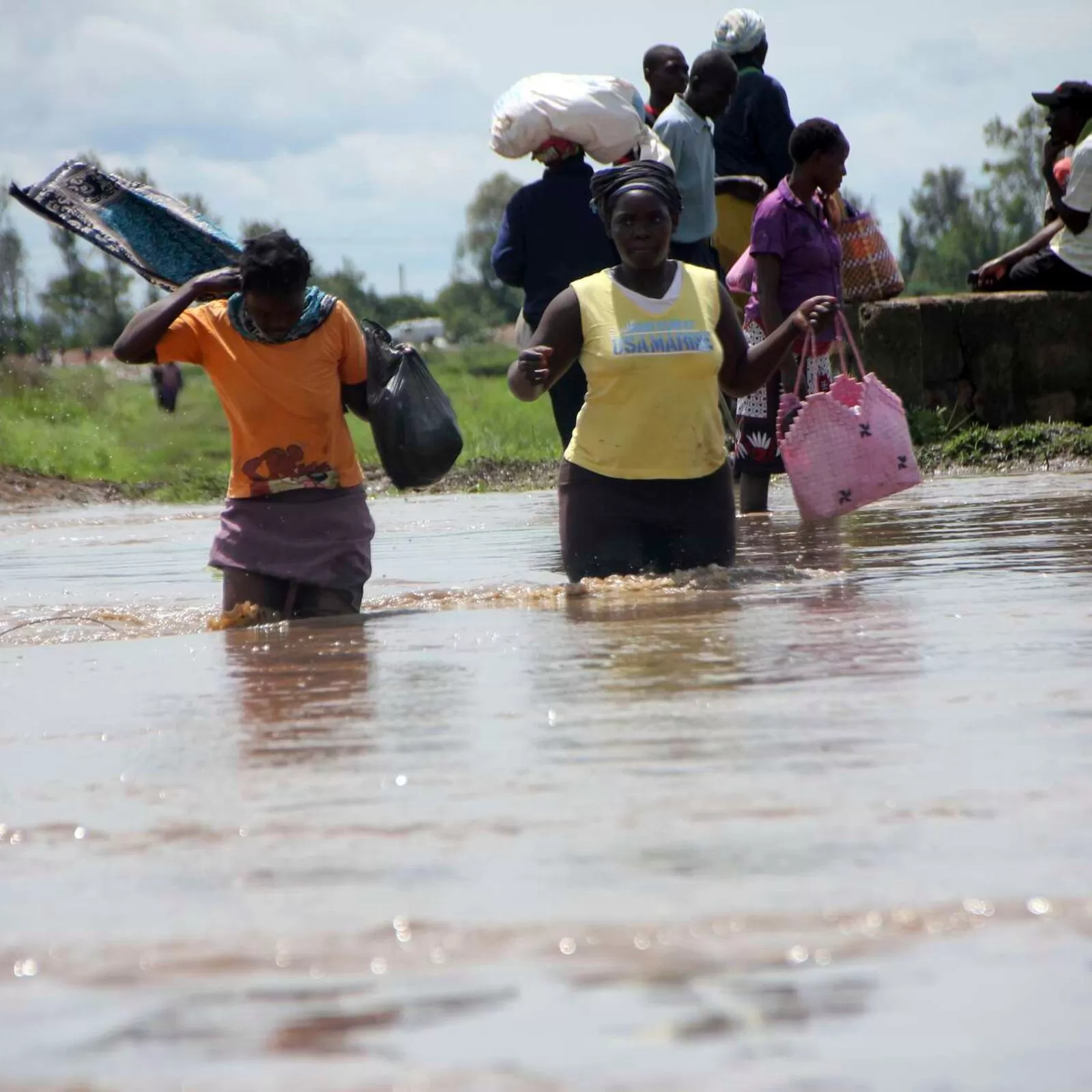
Kenya is stepping up preparations for possible El Niño-related rainfall as concerns grow over flooding, damaged infrastructure and the disruption of livelihoods across vulnerable parts of the country.
The anticipated weather conditions have placed renewed pressure on national and county governments to strengthen early-warning systems, prepare emergency response teams and ensure that communities at risk are not caught unprepared.
Authorities have been identifying flood-prone areas, reviewing emergency response plans and urging residents to remain alert to weather advisories. In urban centres such as Nairobi, attention has also turned to drainage systems and locations that have previously experienced flooding.
Book a Mid-Article Native AdDesktop: Fluid (728x90) · Mobile: Fluid (300x250)The preparations come as Kenya seeks to strengthen its capacity to respond to climate-related emergencies. According to reports, the country is expected to receive approximately $400 million in emergency financing from the World Bank, although the funding process was still being formalised.
The proposed financing is expected to support emergency response and recovery efforts, helping the country address the immediate effects of severe weather while strengthening resilience against future disasters.
However, questions remain over how quickly the funds will become available and how effectively they will reach communities most exposed to flooding and other climate-related risks.
For many Kenyans, preparedness is not simply a government responsibility. Farmers, traders, transport operators and families living in flood-prone areas face the possibility of losing income, property and access to essential services when heavy rains strike.
Book a Mid-Article Native AdDesktop: Fluid (728x90) · Mobile: Fluid (300x250)Experts and disaster-response officials have continued to emphasise the importance of early action, including clearing drainage channels, avoiding construction in high-risk areas and ensuring that emergency communication reaches vulnerable households.
The experience of previous floods has shown that delayed response can turn a weather event into a humanitarian and economic crisis. Roads may become impassable, schools and businesses may close, and food supplies can be disrupted.
As Kenya awaits further developments on the emergency financing, the effectiveness of its preparedness efforts will depend not only on the amount of money secured, but also on planning, accountability and the speed at which assistance reaches those in need.
With the possibility of heavy rainfall ahead, the message from authorities remains clear: early preparation, timely information and coordinated response will be critical in protecting lives and livelihoods.



Comments
No approved comments yet. Be the first to join the conversation.