

Pastoralists in the Ateker region have resolved to push their respective governments to establish a regional framework for sharing water and pasture, arguing that national borders do not reflect the realities of their mobile pastoral life.
The resolution was reached during dialogue sessions at the 11th Karamoja Cultural Event in Moroto, Uganda.
Ewesit Lowasa, a pastoralist from Turkana, Kenya, said the framework should be accompanied by measures to control the spread of invasive Prosopis species. He noted that the weed consumes groundwater, chokes pasture and reduces available grazing land.
Book a Mid-Article Native AdDesktop: Fluid (728x90) · Mobile: Fluid (300x250)Lowasa added that Prosopis thickets have also fuelled insecurity, particularly along the Turkana-Kaabong border, where they provide hiding places for raiders and hamper security operations.
"Authorities often face difficulties while pursuing raiders who conceal themselves behind the dense Prosopis bushes. Even when some raiders are arrested, others manage to drive away stolen animals to locations where they cannot be recovered," he said.
Gloria Lokol, a pastoralist from Nakapiripirit in Uganda, said the proposed framework should also equip local residents with skills to diversify livelihoods through climate-smart agriculture and environmental conservation.
Lokol said Civil Society Organisations (CSOs) could be used strategically to create awareness and increase demand for agriculture, even starting with kitchen gardens.
Book a Mid-Article Native AdDesktop: Fluid (728x90) · Mobile: Fluid (300x250)"Pastoralists largely suffer due to climate-related challenges yet they continue to aggravate conditions for drought by cutting down trees for charcoal burning, moving large herds on bare land and depleting vegetation through overgrazing. There must be means of regenerating pasture through agricultural interventions and climate-smart practices," she said.
Pastoralists from Ethiopia and South Sudan backed the call, with their leaders stating that drought resilience projects should be joint ventures, with governments investing beyond their borders for the benefit of mobile herders.
Cabinet Minister for Karamoja Affairs in Uganda John Baptist Lokii said that approaches grounded on culture and traditions played a significant role in the transformation of the Karacuna from lawless raiders to advocates of peace.
On disarmament, the Minister lauded Uganda's security apparatus for their efficient and speedy removal of illegal guns across Uganda. He noted that this has effectively boosted the prospects for peace, cross border trade, tourism and development.
Ateker Envoy for Peace, Hon. John Munyes, said governments had begun working towards lasting solutions for pastoralists in border areas by institutionalising the Ateker Leaders Council.
Munyes explained that the institution is being modelled to work closely with regional bodies such as the African Union (AU), the Intergovernmental Authority on Development (IGAD) and development partners operating in the region to mobilise resources and harmonise interventions aimed at improving pastoralist livelihoods.
"The leadership of Kenya at the national and county levels is keen on ensuring that pastoralist communities are properly served. The regional framework being developed has incorporated other issues such as use of traditions as an alternative conflict resolution mechanism," he said.
Lochor Imana, an advisor to the Governor of Turkana and a peace ambassador, said the idea of cultural festivals was pioneered by Karamoja. He noted that pastoralists and leaders now have a platform not only to preserve culture but also to dialogue on cross-border issues.
Citing the recent release of Turkana herders by Ugandan authorities, Imana said the Governor is keen on strengthening culture as a tool for diplomatic relations between Kenya, Uganda, South Sudan and Ethiopia — the four countries sharing Ateker identity.
Nicholas Omwolo, Danish Church Aid (DCA) Project Manager of the EU-funded SPREAD programme, said through TUPADO, groups of CSOs from Lokichoggio, Turkana North and Kibish sub-counties were sponsored to attend the event to draw lessons that could be replicated along the Kenya-South Sudan and Kenya-Ethiopia borders.
Omwolo announced that preparations for the second edition of Nadapal Peace, scheduled for three days from September 19 to 21, were at an advanced stage with DCA working closely with the County Government for a memorable event.
"The key takeaway from this festival for us remains the innovative structure of participants in the dialogue. We observed that rural youth dialogued with their rural counterparts from each country. The urban youth did the same. The finer separation enriched the dialogue sessions," he said.
Assistant Director for Peace in the region covering Kenya-Uganda border Rodgers said that the approach of separating the youth into specified groups boosted the possibility of developing clear youth led solutions to the peace challenge in the corridor.
As the 11th edition of the Karamoja festival concluded, Hon. David Pulkol, one of the lead organizers of the Karamoja Cultural Event and senior advisor on Operation Wealth Creation in Uganda announced that Kotido will host the 12th edition next year.
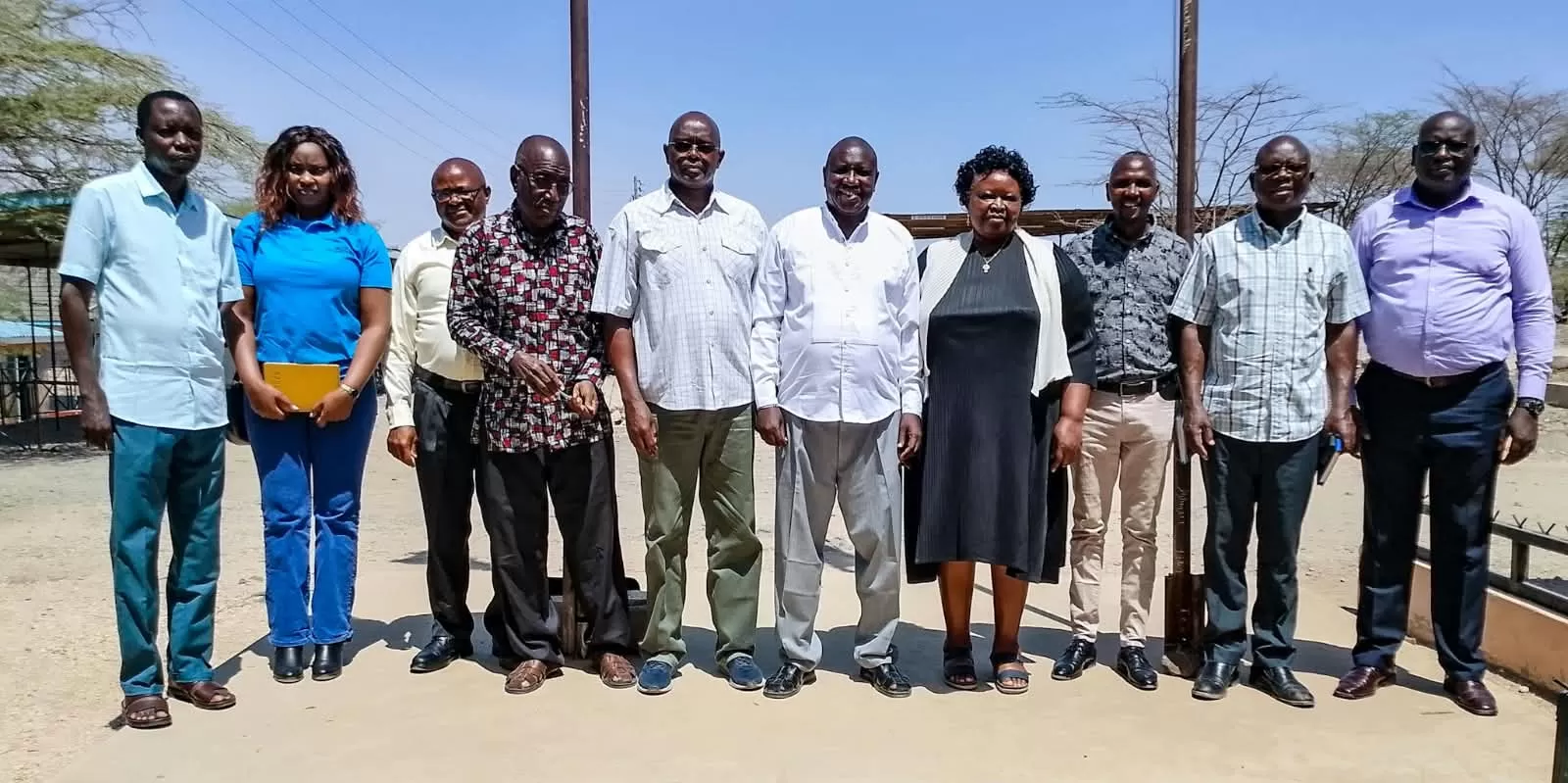
The Kenyan delegation included James Wangiros, County Executive Committee Member for Trade, Gender, Youth and Tourism; Peter Lolem, Dr Benson Longor, Director of Veterinary Services; Erenious Nakadio, Deputy Director; Victor Lochee, County Focal Person for FSRP; peace building and conflict resolution officers, and delegates from West Pokot.
Also present were Irene Kibon, Project Coordinator SPREAD, Alfred Loyok, Project Lead for Karamoja Strong; Philip Ewoton, Project Lead at WHH; Brizan Were, Ateker Cup Foundation and Samuel Ekal, Executive Director of TUPADO. Organisations including ApAD, Lokado and ACME also participated.

Comments
No approved comments yet. Be the first to join the conversation.