
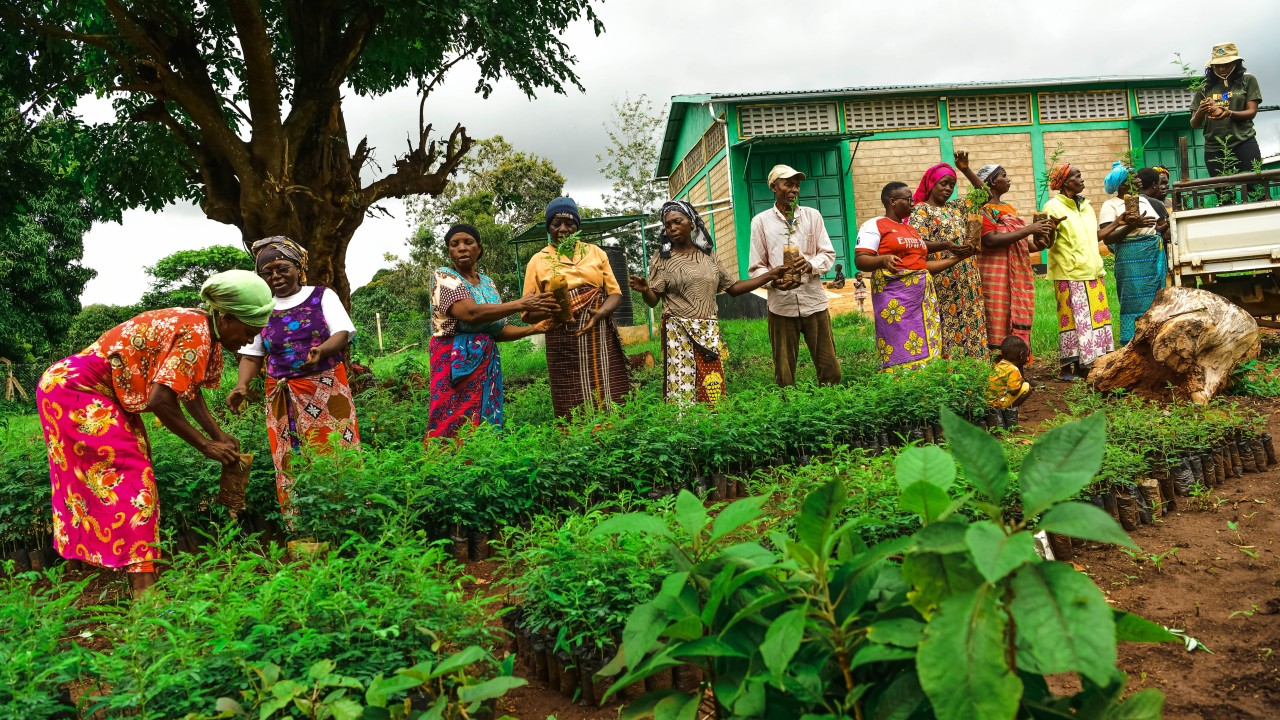
In the Taita Taveta Tsavo landscape, where elephants roam vast savannas and communities coexist with wildlife, one truth continues to echo louder each day: conservation can’t succeed without people.
For decades, conservation efforts across Africa, and globally, have focused on protecting species and landscapes through policies, fencing, enforcement, etc. While these strategies are important, they aren’t enough. The most impactful and sustainable conservation outcomes happen when local communities are at the centre of the effort.
People Live Where Nature Thrives
Many of the most ecologically rich areas are home to indigenous and local communities. These communities depend on natural resources for survival, whether through livestock, farming, or forest products. In regions like Tsavo, wildlife doesn’t just live in parks; it shares space with people.
Book this slotThe question is no longer whether communities should be involved. The real question is: How can we empower them as conservation leaders?
Indigenous Knowledge, Global Impact
Community members possess a deep understanding of their landscapes. They know the frequencies of rainfall, animal movement, and the crucial signs of ecosystem change. Their insights, often rooted in oral tradition and lived experience, are critical to adapting conservation strategies in a changing climate.
Ownership Inspires Stewardship
Book this slotWhen communities are engaged, they protect. We’ve seen this in conservancies where local governance structures manage wildlife conservancies, support anti-poaching efforts, and reinvest tourism revenues into schools, water access, and health care. Giving people a stake in conservation turns them from observers to custodians.
Balancing Livelihoods and Conservation
Let’s be clear, conservation cannot thrive in a vacuum of poverty. Unless it improves people’s lives, it risks being perceived as a threat. Sustainable conservation ensures that people benefit from ecotourism jobs, carbon credits, beekeeping, or pasture management, among others.
If wildlife destroys crops or livestock without fair compensation or mitigation, resentment grows. But when people see value in coexistence, attitudes shift. They become conservation champions.
Book this slotMaking decisions with them, not for them.
At the heart of conservation today is not control, but collaboration. Whether it’s using early-warning systems for elephants or building predator-proof bomas, successful strategies are born from dialogue and shared decision-making.
The Bigger Picture
With the extant global biodiversity crisis, working with communities has taught me that solutions exist on the ground. They are led by women protecting forests, by youth groups planting trees, and by elders sharing knowledge of sacred lands.
Book this slotIt’s time we stop treating communities as beneficiaries and recognise them as leaders and important conservation partners.
Conservation without community is like a seed without soil—it won’t grow. But with people, conservation can flourish beyond fences and last beyond generations.
Let’s invest in people. Let’s listen, collaborate, and build futures where both nature and communities thrive.
What are your thoughts on community-led conservation?
Book this slot
Comments
No approved comments yet. Be the first to join the conversation.