

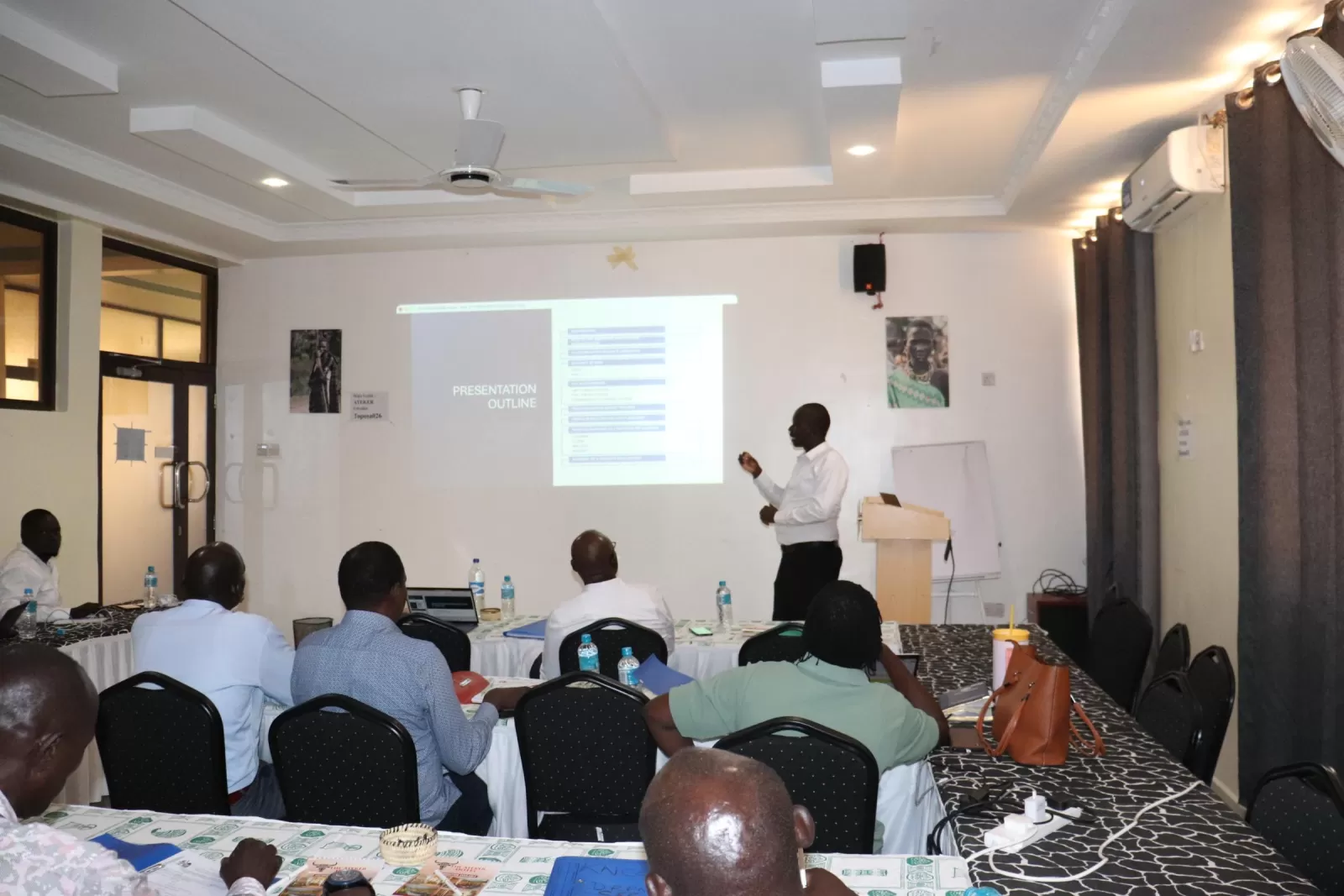
Turkana County has approved 28 sites to benefit from a Sh600 million investment in water, irrigation and livestock development projects under the Drought Resilience Programme in Northern Kenya (DRPNK).The sites were selected from a pool of 135 locations surveyed across the county by the County Programme Coordination Unit (CPCU). The survey was undertaken to establish community needs, generate technical data and determine the most suitable intervention for each cluster.The list was approved by the County Steering Committee during a meeting chaired by the County Executive Committee Member for Agriculture, Livestock Development and Fisheries, Dr Michael Eregae. Following the county-level approval, the list will now be forwarded to the National Programme Coordination Unit for final vetting. The national unit brings together the Governors of Turkana and Marsabit and Principal Secretaries from the State Departments of Water, Irrigation and Livestock Development. Once cleared, it will be submitted to the German Development Bank (KfW), which is financing the programme, for funding.DRPNK is a Government-led initiative supported by KfW, designed to enhance the resilience and adaptive capacities of pastoralist and agro-pastoralist communities in Turkana and Marsabit. The two counties are classified as arid and semi-arid lands (ASALs) and are prone to recurrent and increasingly severe droughts, as well as unpredictable flash floods.Since its inception in Turkana, the programme has delivered 17 projects, which are now operational. An additional 15 projects are ongoing and at an advanced stage of completion, according to County Programme Manager Michael Ekwang.Dr Eregae said the 28 new sites were distributed in Lodwar, Loima, Kalokol and Kakuma sub-counties, following a strict selection criteria anchored on technical viability, equitable cluster representation, budget ceilings and the projected population to benefit.He expressed optimism that the projects will have a direct and lasting impact on food security and livelihoods in the county, noting that the intervention aligns with Governor Jeremiah Lomorukai's agenda of transforming Turkana from a food-insecure region to a food-secure county."We are happy that DRPNK is bridging the funding gaps facing the county by investing Sh600 million. This goes a long way in transforming Turkana from the category of food and water-scarce area to a food and water-secure county," Dr Eregae said.He added that investment in water pans, boreholes, irrigation infrastructure and livestock value-chain facilities will reduce the vulnerability of households during dry spells and improve productivity during rainy seasons.The County Steering Committee, which approved the sites, brings together Chief Officers from key departments including Agriculture, Water, Health, Education, Livestock, Trade and Roads, ensuring a multi-sectoral approach to resilience building.Once implemented, the projects are expected to benefit thousands of households through improved access to water for domestic and livestock use, expanded irrigated agriculture and enhanced livestock production.
Turkana Approves 28 Sites for Sh600m Water and Irrigation Projects Under DRPNK
The projects, spread across four areas of Turkana, are expected to strengthen water access, irrigation and livestock production as the county confronts recurrent drought and food insecurity.
The Signal in 30 seconds
- Turkana has approved 28 sites for Sh600 million in drought-resilience investments targeting water, irrigation and livestock development under the DRPNK programme.
- The sites were selected from 135 locations assessed by the County Programme Coordination Unit, with decisions based on viability, population, cluster representation and available funding.
- The investments are intended to strengthen Turkana’s food and water security, building resilience among pastoralist and agro-pastoralist communities facing recurrent droughts and flash floods.
Why it matters
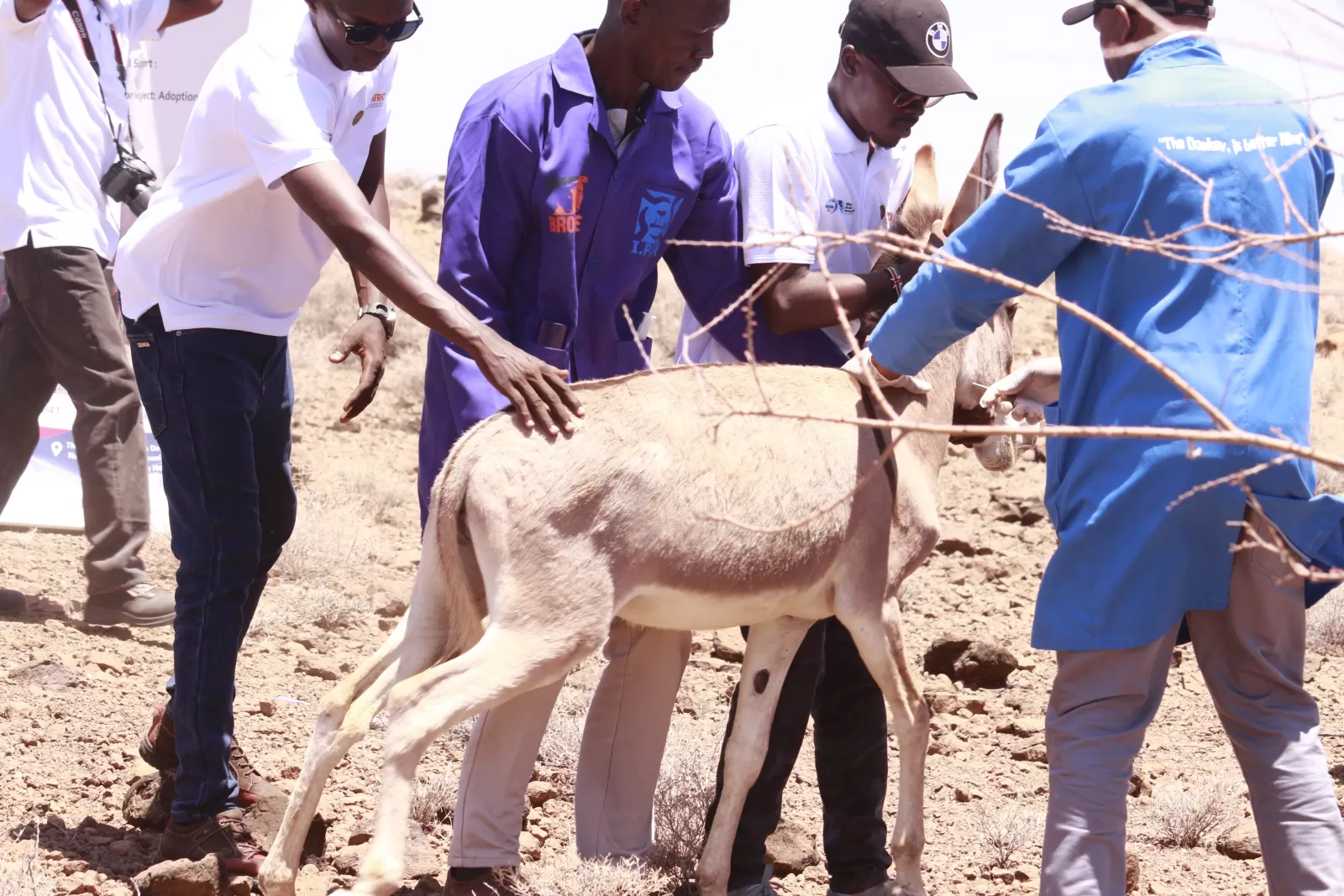
Turkana's recurring droughts expose communities to simultaneous pressure on water, livestock and food production. An investment that addresses those three areas together has the potential to strengthen resilience rather than merely respond to the next emergency.
What we know
- The 28 sites were selected from 135 locations assessed by CPCU.
What we don’t know yet
- How much money will go to each site/project.
Source note
Input from county communication unit and event coverage
Corrections & updates
Lodwar, September 9, 2026
More from Counties

Know something we should investigate?
Send a verified tip, document, photo or story idea to Kenya Signal Room.
Submit a Tip
Comments
No approved comments yet. Be the first to join the conversation.