
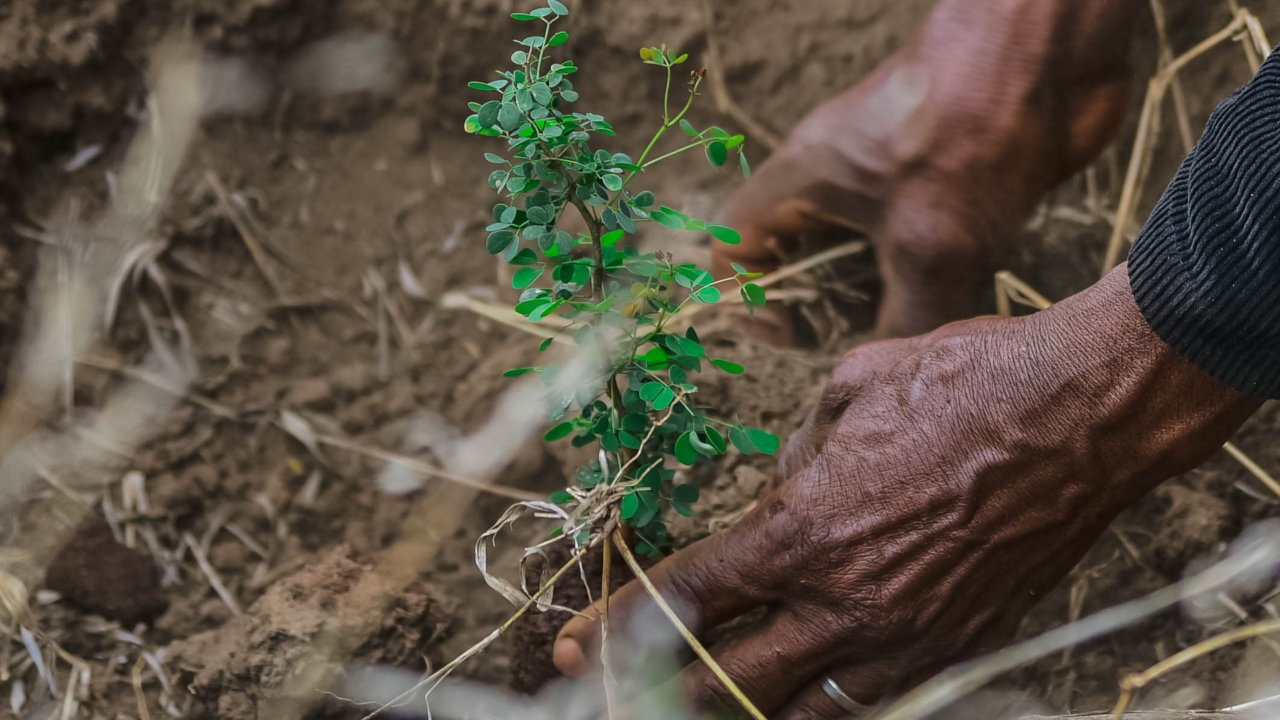
In today's evolving world, the urgency to protect biodiversity and ecosystems has never been greater. While technology, research, and policy play key roles, one important element is often overlooked: indigenous knowledge.
Indigenous communities around the world have managed their natural environments sustainably for decades, if not centuries, long before the formal concept of "conservation" emerged. Their wisdom, rooted in deep spiritual, cultural, and ecological connections to the land, offers powerful tools for today’s conservation challenges.
Nature as a Living System
For many indigenous cultures, nature is not a resource; it's a relative. This worldview instils a sense of respect and responsibility. Sacred forests, shrines, and crop rotation systems, to mention a few, aren't just traditions; they are time-tested conservation practices.
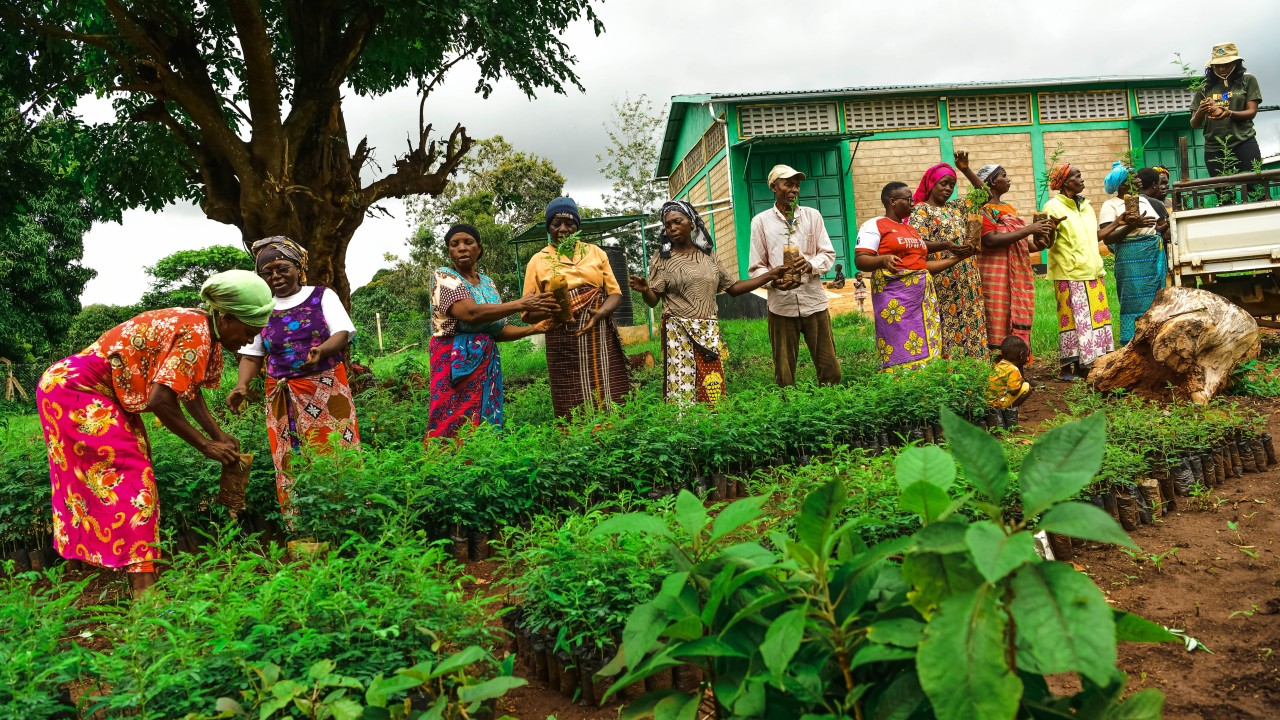
For example, in Kenya's Taita Hills and coastal regions, elders possess knowledge about rainfall patterns, animal migrations, and medicinal plants. These insights are crucial for managing community forests and rangelands, particularly in the context of climate change.
Why It Matters Today
Integrating indigenous knowledge into conservation efforts offers several benefits:
- Improved biodiversity outcomes: Local species and ecosystems are better protected.
- Enhanced community ownership: Conservation becomes a shared value, not a top-down imposition.
- Cultural preservation: Protecting land also protects heritage and identity.
- Climate resilience: Traditional coping strategies help communities adapt to shifting conditions.
Collaboration, Not Extraction!
Too often, indigenous knowledge is extracted without context or consent. For conservation to be ethical and effective, partnerships must be inclusive, respectful, and empowering. This means:
- Recognising indigenous people as equal partners, not passive stakeholders.
- Supporting land rights and self-determination.
- Investing in intergenerational knowledge transfer.
A Call to Conservationists and Policymakers
If we truly aim to protect nature, we must listen to the voices that have lived in harmony with it for generations. Science and indigenous wisdom are not at odds; they are complementary allies in conservation.
As the world looks to innovate its way out of environmental crises, perhaps the answers lie not just in new ideas but in old ones, deeply rooted in place, practice, and people.
Let’s build conservation models that are inclusive, culturally grounded, and locally led. The future of our planet depends on this.


Comments
No approved comments yet. Be the first to join the conversation.