
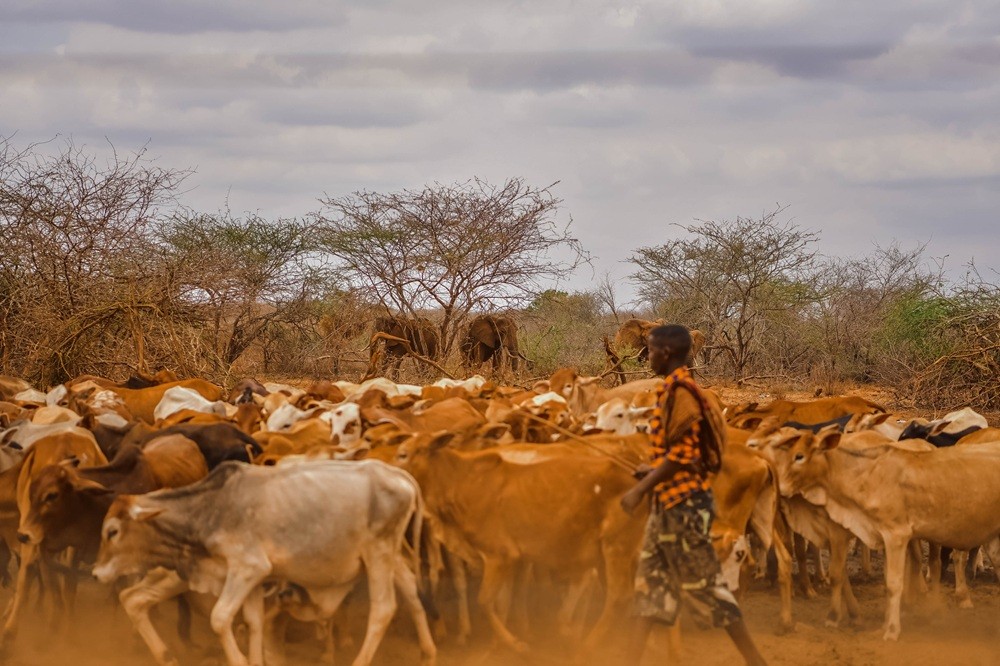
In many parts of Kenya, wildlife and people share the same landscapes. These are not the protected national parks we often read about but places where people live, graze livestock, farm, and raise families. In such areas, community conservancies have become a powerful tool for balancing livelihoods and conservation. At the heart of their success is a thoughtful idea: coexistence.
What Is Wildlife Coexistence?
Wildlife coexistence means creating conditions where both people and wildlife can thrive in shared spaces. It’s not about removing all conflict but rather managing it in ways that minimise harm to both sides. In community conservancies, local people take the lead in managing their natural resources, deciding how to use their land, and protecting wildlife as part of their development strategy.
It's community-led conservation!
Why It Matters
In landscapes like Kenya’s Tsavo region—home to iconic species such as the “red” elephants, lions, and giraffes—community conservancies play a crucial role. These areas serve as buffers and corridors between national parks, extending safe spaces for wildlife while generating tangible benefits for local communities.
But it’s not always easy.
Lions may prey on livestock. Elephants might raid crops. During dry seasons, competition for water can become intense. Yet despite these challenges, communities are increasingly finding ways to coexist with wildlife rather than come into conflict with it.
One fascinating fact: wildlife populations in these conservancies often reach their highest densities here.
What Makes Coexistence Possible?
Community Ownership and Leadership
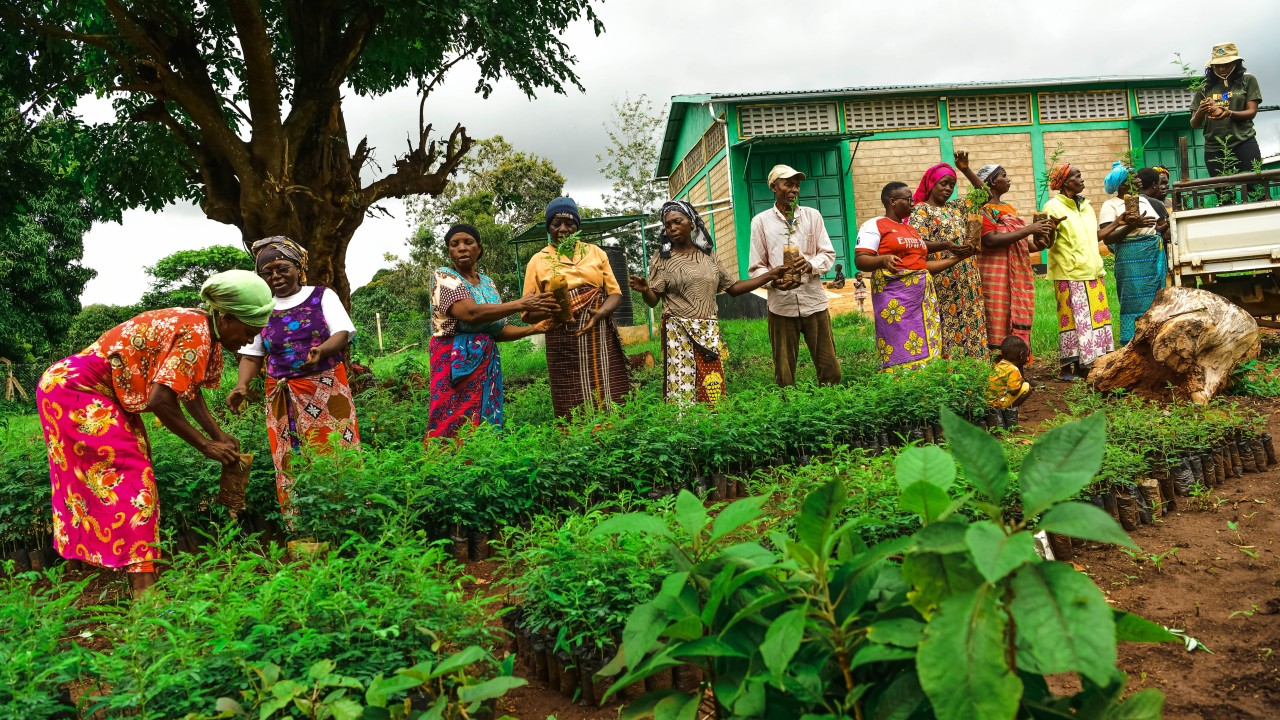
In community conservancies, the people who live with wildlife make the rules. They decide where to graze, where wildlife corridors should pass, and how to manage their natural resources. This sense of ownership builds accountability and pride in conservation.
Human-Wildlife Conflict Mitigation
Innovative solutions, like predator-proof bomas, beehive fencing, citrus plant fencing, and community scouts, reduce the damage caused by wildlife. Introduction of consolation and compensation schemes, as well as insurance schemes, cushions losses when conflicts happen.
Nature-Based Livelihoods
Tourism, beekeeping, cultural experiences, and conservation jobs help communities earn from protecting rather than exploiting wildlife. When the value of wildlife is visible and tangible, attitudes shift positively.
Education and Youth Involvement
Environment education, school outreach programmes, and youth-led conservation efforts help shape a new generation that sees wildlife not as a threat but as a national and community asset.
A Tsavo Story: Where Coexistence is Real
In Taita Taveta County, where conservation areas cover nearly 80% of the land, communities have embraced coexistence. Conservancies in the Tsavo landscape bring together adjacent communities with a common vision:
Wildlife conservation is not a burden, it is a bridge to opportunity.
Here, locals guard their land, monitor wildlife movements, and engage in tourism ventures. When elephants pass through farms, alerts are sent through community networks.
Conflict still exists, but now, so does collective action.
Challenges Along the Way
Wildlife coexistence is a journey, not a destination. Challenges include: Extreme effects of climate change like droughts and wildfires, Inadequate resources to cover all affected households, etc.
Still, the resilience shown by community conservancies offers hope.
The Future of Coexistence
As human populations grow and the pressure on land increases, the world must learn from places like Tsavo. Wildlife coexistence in community conservancies is a model of shared survival, where nature and people depend on each other.
It calls for continued investment in community-led conservation, supportive policies from government and partners, and recognition of communities as critical custodians of biodiversity.
After all, the future of conservation may not lie behind fences but in the hands of the people who live adjacent to the wild.
Have you visited a community conservancy or witnessed wildlife coexistence in action?
Share your story and tag me in your photos.
Let’s celebrate the landscapes where harmony is more than a hope; it’s a reality.

Comments
No approved comments yet. Be the first to join the conversation.