
Sh6 Billion Per Kilometre? KPA Road Project Sparks Outrage Over Construction Costs
By James Mburu
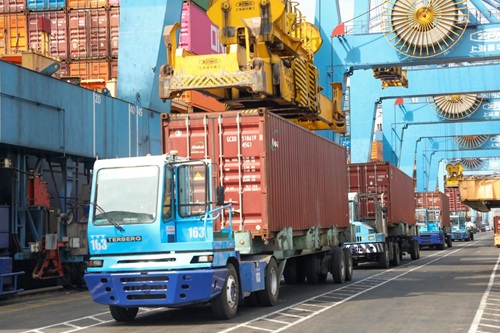
A road construction project at the Port of Mombasa has sparked nationwide debate after reports indicated that the project could cost more than Sh6 billion per kilometre, raising fresh questions about public spending and value for taxpayers' money.
The project, being undertaken by the Kenya Ports Authority (KPA), involves the construction of a 1.4-kilometre road within the port. According to documents published by the Daily Nation, the contract is valued at approximately Sh8.3 billion, translating to a cost of nearly Sh6 billion for every kilometre of road constructed.
The figures have generated widespread reaction among Kenyans, with many questioning how such a short stretch of road could attract one of the highest per-kilometre construction costs in the country's history. The revelations have also fueled calls for greater transparency in the procurement and implementation of major infrastructure projects.
Contract documents indicate that the project budget extends beyond the road surface itself. It includes reinforced concrete works, piling, bridge structures, preliminary and general expenses, contingencies, taxes, and other engineering components designed to support heavy port operations.
Infrastructure experts note that roads constructed inside ports are often significantly more expensive than ordinary highways because they are built to withstand constant movement of heavily loaded cargo trucks. Such projects may also require specialized foundations, drainage systems, underground utility works and high-strength pavements capable of handling extreme loads.
Despite these technical requirements, governance advocates and members of the public have called on the Kenya Ports Authority to provide a detailed explanation of how the project cost was arrived at. Transparency campaigners argue that major publicly funded projects should be accompanied by clear cost breakdowns to assure taxpayers they are receiving value for money.
The reported cost comes at a time when Kenya continues to grapple with high public debt and increased pressure to reduce government spending. The revelations have therefore intensified scrutiny of infrastructure contracts and renewed debate over accountability in the use of public resources.
As public interest in the project continues to grow, attention is expected to shift to oversight institutions, including Parliament and anti-corruption agencies, which may be called upon to review the procurement process and determine whether the pricing reflects the scope of work involved.
The Kenya Ports Authority had not issued a comprehensive public response to the reported cost concerns by the time of publication. However, the project is expected to improve cargo movement within the Port of Mombasa and enhance operational efficiency at one of East Africa's busiest trade gateways.
Comments
No approved comments yet. Be the first to join the conversation.