
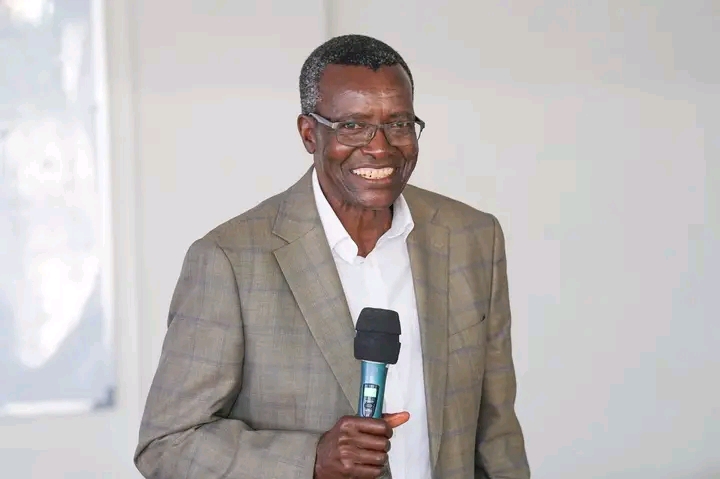
Former Chief Justice David Maraga has taken a decisive step toward the 2027 General Election by unveiling the first layer of his presidential campaign leadership. In an announcement shared this week, Maraga named Mkawasi Mcharo and David Makali to head his campaign secretariat, signaling that preparations for the next national contest are already underway.
The move comes more than two years ahead of the polls, but it reflects a growing trend among Kenyan political figures to build structures early and position themselves ahead of what is expected to be a highly competitive election cycle.
According to the update, Mcharo will take charge of strategy, policy development, and diaspora engagement within the Maraga camp. Makali, meanwhile, has been named Communication Coordinator, a role that will place him at the center of the campaign’s public messaging and media outreach.
Book a Mid-Article Native AdDesktop: Fluid (728x90) · Mobile: Fluid (300x250)The two appointments are designed to cover both the internal planning and the external face of the campaign. By separating policy and strategy from communications, Maraga’s team appears to be aiming for a structure that allows for specialized focus while maintaining coordination under the secretariat.
Mcharo’s portfolio is particularly broad. Overseeing strategy means she will be involved in mapping out the campaign’s national approach, identifying key constituencies, and shaping how the bid responds to shifting political dynamics. The policy brief adds another layer of responsibility, suggesting she will help translate Maraga’s governance philosophy into concrete proposals for voters. Her additional mandate over diaspora affairs acknowledges the increasing importance of Kenyans abroad, both as voters and as a source of financial and intellectual support for political campaigns.
Makali’s role as Communication Coordinator puts him in charge of how the campaign tells its story. In modern Kenyan elections, communication goes beyond press statements. It includes digital media, grassroots messaging, rapid response to opponents, and the ability to frame issues in a way that resonates with voters across different regions and demographics. With Makali leading that effort, the secretariat is signaling an intent to run a coordinated and disciplined public-facing operation from the outset.
David Maraga served as Chief Justice of Kenya between 2016 and 2021, a period marked by several high-profile rulings, including the Supreme Court’s nullification of the 2017 presidential election. That decision cemented his public image as a jurist willing to make tough calls on matters of constitutional importance. Since leaving the bench, Maraga has kept a relatively low public profile compared to other former state officials, but he has not ruled out a return to public service.
Book a Mid-Article Native AdDesktop: Fluid (728x90) · Mobile: Fluid (300x250)By naming a campaign secretariat now, he is moving from speculation to organization. Early structuring gives a candidate time to build policy teams, recruit talent, test messages, and establish networks before the official campaign period begins. It also allows for fundraising, coalition discussions, and engagement with civil society and professional groups.
The 2027 General Election is still some time away, but political realignments in Kenya often start early. Parties and individuals use the period between elections to consolidate support, define their platforms, and distinguish themselves from rivals. Maraga’s announcement places him among those already laying groundwork, rather than waiting for the final year before polls.
Campaign secretariats are the engine rooms of presidential bids. They handle research, logistics, policy drafting, volunteer coordination, and the day-to-day decisions that keep a campaign running. The choice of who leads them often signals a candidate’s priorities.
Placing strategy and policy under one leader suggests an emphasis on having a clear, well-developed agenda rather than relying solely on personality or name recognition. The inclusion of diaspora affairs in Mcharo’s docket is also notable. The Kenyan diaspora has grown in political significance over the last decade. Remittances are a major part of the economy, and diaspora communities are increasingly organized and vocal on issues back home. A dedicated focus on that constituency could help Maraga tap into networks outside the country that have been decisive in past elections.
On the communications side, appointing a dedicated coordinator this early indicates an awareness of the media environment in 2027. Kenyan elections are fought as much on WhatsApp, TikTok, X, and Facebook as they are on podiums and in town halls. A Communication Coordinator will need to manage traditional press relations while also overseeing digital content, influencer engagement, and the rapid circulation of information and misinformation.
While the announcement is brief, it offers clues about how a Maraga candidacy might be structured. The emphasis on policy and strategy suggests a campaign that intends to present detailed alternatives on governance, justice, and public service delivery — areas closely associated with Maraga’s background. The diaspora brief suggests an outward-looking approach, while the communications appointment points to a desire to control the narrative from day one.
It also reflects a professionalization of the campaign. Rather than a loose group of advisers, the secretariat model implies defined roles, reporting lines, and deliverables. That kind of structure is more typical of established parties, and its adoption by an independent or new political formation would represent an effort to match the organizational capacity of bigger players.
Naming a secretariat is only the first step. The real test will be in how the team builds out the rest of the campaign machinery: regional coordinators, policy task forces, fundraising operations, and grassroots mobilization units. It will also be important to see how Maraga positions himself relative to other potential candidates, including incumbents, party leaders, and other independents who may enter the race.
The political landscape ahead of 2027 remains fluid. Alliances have not yet solidified, and key issues that will dominate the election — from the economy and unemployment to devolution and governance reforms — are still taking shape. By starting early, Maraga’s team will have more time to research those issues, consult stakeholders, and refine their message.
For voters, the announcement is a reminder that the 2027 contest is already beginning to take form, even if the official campaign period is years away. The choices made now about personnel and structure will influence how candidates are perceived when the election season intensifies.
Political campaigns in Kenya have become increasingly sophisticated, and early organization is often seen as a prerequisite for competitiveness. With Mcharo handling the strategic and policy backbone, and Makali shaping how that work is communicated to the public, Maraga’s secretariat has a clear division of labor to start with.
Whether this structure translates into momentum will depend on several factors: the clarity of the campaign’s platform, its ability to build alliances, its reach beyond traditional strongholds, and how it responds to the realities of campaigning in a country with 47 counties and a large, globally dispersed population.
For now, the appointments mark a formal entry into 2027 preparations. They tell supporters and observers that Maraga is not waiting on the sidelines. The campaign secretariat is in place, the roles are defined, and the work of building toward the next General Election has begun.
The announcement was shared publicly by Stephen Mukangai, who noted the new roles as part of Maraga’s initial steps toward 2027. As more details emerge about the secretariat’s plans and priorities, attention will likely turn to policy proposals, outreach activities, and how the campaign intends to engage voters across the country and abroad.
With more than a year of preparation time available, the Maraga team has the opportunity to build methodically. The appointments of Mcharo and Makali provide the foundation. What happens next will determine whether that foundation supports a campaign capable of competing at the national level in 2027.
Comments
No approved comments yet. Be the first to join the conversation.