Nairobi Senator Edwin Sifuna has alleged that Safaricom has blocked attempts by the Linda Mwananchi movement to set up a paybill number that would be used to collect public contributions for its activities. Speaking during the People’s Dialogue Festival at Uhuru Park in early March 2026, Sifuna claimed that his group has been facing repeated digital frustrations ever since the movement began drawing large crowds across the country.
According to Sifuna, the main purpose of creating a paybill was to provide a simple and transparent way for ordinary Kenyans to support the movement’s rallies, logistics, sound systems, security and other costs. He said the team had also tried to launch an official website to coordinate the campaign, but every effort to get the platforms running had been interfered with. “We have a website that we have struggled to bring live, but they frustrate it over and over,” he told the crowd. “They have even blocked our attempts to set up mobile paybill numbers.” He went on to promise supporters that a solution would be found within a day.
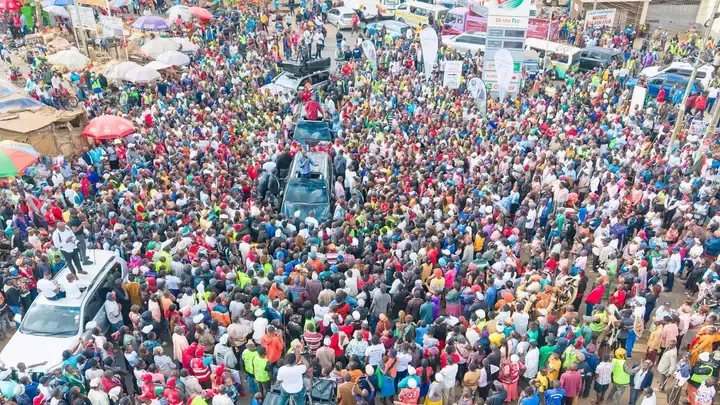
The allegations come at a time when Linda Mwananchi has become one of the most visible political mobilization efforts outside formal party structures. The caravan has held meetings in Busia, Kitengela, Kakamega, Thika and other counties, attracting sizable turnouts and sparking national debate about the cost of living, taxation and governance ahead of the 2027 elections. Sifuna has been among the lead faces of the initiative, alongside Vihiga Senator Godfrey Osotsi, who serves as the movement’s treasurer.
Book a Mid-Article Native AdDesktop: Fluid (728x90) · Mobile: Fluid (300x250)Sifuna insists that Linda Mwananchi is funded by its members, not by any single wealthy patron or by ODM party coffers. He explained that each participating MP contributes around Ksh 100,000 toward the events, and that additional money comes in through small donations from supporters. He even said he could show M-Pesa messages on his phone as proof of public contributions. “We have a paybill number on our website, it’s called Linda Mwananchi,” he stated, pushing back against claims that the movement is bankrolled from outside.
The senator further alleged that the pushback against Linda Mwananchi intensified once the movement started gaining national attention. He claimed that after their rallies began trending, certain people within government and rival factions inside ODM started spreading rumors that he was demanding money to abandon the movement’s political ambitions. He also alleged that there were approaches to bribe him with up to Ksh 2 billion to stop the campaign against the current broad-based government. “I hear they are having plans to bribe us with Ksh 2 billion after initial attempts failed,” he said. “We want to assure you that because this movement is bigger than us, we will not give in to any of their attempts.”
The funding debate has dogged Linda Mwananchi for months. Some government-allied leaders have suggested that former President Uhuru Kenyatta is behind the movement. Sifuna has strongly denied this, challenging Interior Cabinet Secretary Kipchumba Murkomen to produce evidence if he has any. “You heard Murkomen saying politicians are under 24-hour surveillance, that he knows when I sleep and who I sleep with. So he must have seen me receiving money from Uhuru. Why can’t he show the country Uhuru Kenyatta and Edwin Sifuna exchanging money?” he asked. Jubilee Party Executive Director Dann Mwangi also dismissed the claims in a television interview, saying that even if Uhuru were to fund anything, it would be Jubilee, not another formation.
Leaders of Linda Mwananchi describe the initiative as a citizen-led response to public frustration over high taxes, rising living costs and what they call a disconnect between the government and ordinary people. The rallies have been framed as open forums where Kenyans can voice concerns and discuss the country’s direction. Because of the scale of the meetings, questions about money have naturally followed. Political analysts note that sustaining a near-weekly nationwide tour outside an election period requires consistent resources, which is why the paybill issue has become so central.
Book a Mid-Article Native AdDesktop: Fluid (728x90) · Mobile: Fluid (300x250)The alleged blocking of the paybill raises broader questions about access to financial platforms for political groups. Paybill and till numbers have become the default tool for parties, NGOs and community organizations to raise funds transparently. If a request for such a number is denied or delayed, it can force a movement to rely on cash, personal accounts, or less formal channels, which in turn creates more suspicion about where the money is coming from. Safaricom had not issued a public statement on Sifuna’s claims by the time of writing, and it remains unclear whether the application was formally rejected, stalled for compliance reasons, or actively blocked.
Inside ODM, the Linda Mwananchi push has deepened existing divisions. The party’s leadership, some of whom are working with the current administration under the broad-based arrangement, has accused Sifuna of running parallel activities. ODM Chairperson Gladys Wanga recently wrote to him demanding an explanation, arguing that his activities were undermining party positions. Sifuna has maintained that he is not acting against the party’s grassroots, but rather giving voice to members who feel sidelined.
The senator has vowed that the movement will not be stopped by technical hurdles. He told supporters that even without an official paybill, they would find alternative ways to receive contributions and keep the campaign going. That message resonated with many in the audience, who see Linda Mwananchi as an outlet for grievances that are not being addressed in Parliament or within party structures.
Outside the rallies, legal and civil society observers have pointed out that transparency will be key if the movement is to maintain credibility. With public donations involved, clear records of how much comes in and how it is spent will help shield the initiative from accusations of secret financing. Sifuna has said that is exactly the point of wanting a formal paybill: to make everything traceable and open.
The controversy also highlights the power of digital infrastructure in modern politics. A single paybill number can determine whether a movement can scale quickly or is forced to move slowly. In a country where M-Pesa is the dominant way people send and receive money, being cut off from that ecosystem can significantly limit reach. That is why Sifuna’s claim has drawn so much attention, because it touches on both politics and the business of mobile money.
For now, Linda Mwananchi continues to hold rallies and expand its calendar. Supporters continue to show up, some coming directly from church to the grounds, and the conversations at the events keep circling back to economic hardship and political representation. Whether or not Safaricom restores or approves a paybill for the group, the movement says it will adapt.
What is clear is that the story is no longer just about one senator or one campaign. It has become part of a larger national conversation about who gets to mobilize, how they fund that mobilization, and what role corporations and the state play in shaping that space. Sifuna’s accusation has put that conversation in the open, and the coming weeks will likely determine whether Linda Mwananchi gets the digital tools it says it needs, or whether it will have to build its momentum another way.
As the 2027 election cycle draws closer, movements like this are expected to multiply. How they are treated by institutions, regulators and service providers will say a lot about the health of political competition in Kenya. For Linda Mwananchi and for Sifuna personally, the paybill dispute is now a symbol of that bigger struggle — one that supporters say is about the right of citizens to organizNairobi Senator Edwin Sifuna has alleged that Safaricom blocked the Linda Mwananchi movement’s attempts to set up a paybill number for public contributions, claiming the group has faced repeated digital frustrations since its rallies began drawing large crowds across Kenya. Speaking at the People’s Dialogue Festival at Uhuru Park in March 2026, Sifuna said the paybill was meant to provide a transparent way to fund logistics for the citizen-led campaign, which he insists is supported by member contributions and not external financiers, even as the movement faces accusations and internal divisions within ODM. The dispute has sparked wider debate about access to digital financial tools for political mobilization, with Sifuna vowing that the movement will find alternative ways to operate ahead of the 2027 elections.e, contribute, and be heard.
Comments
No approved comments yet. Be the first to join the conversation.