
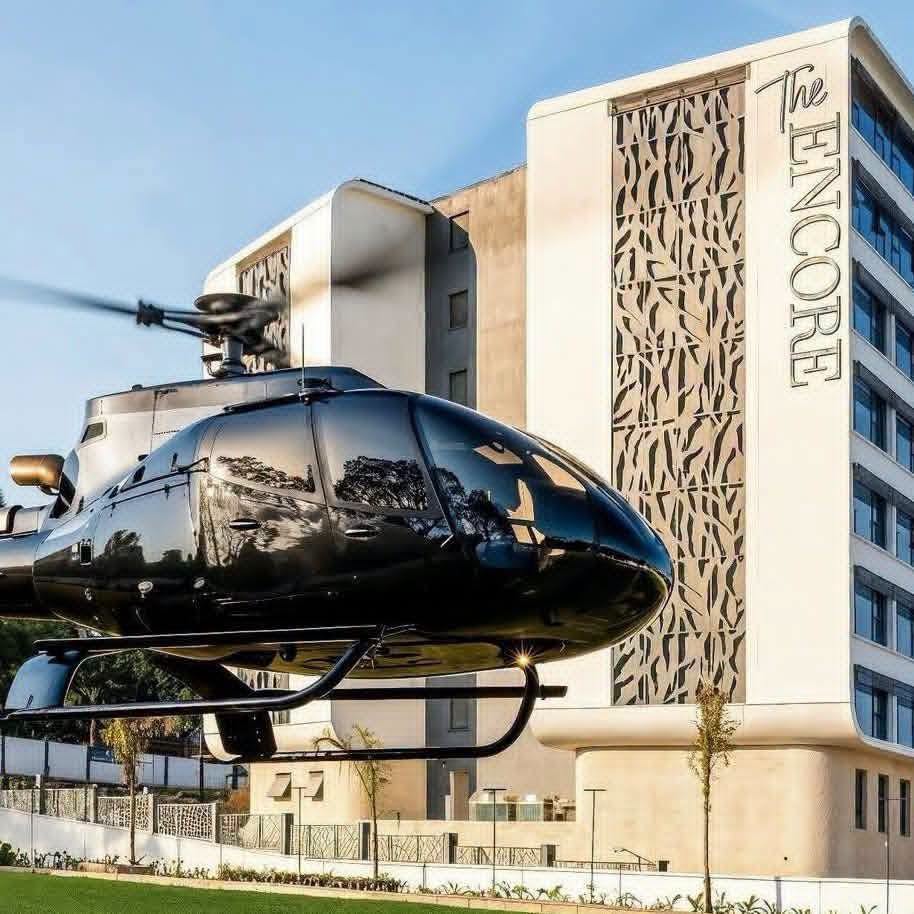
Encore Hotel Nakuru has emerged as a notable addition to the city’s skyline, introducing a new scale of hospitality infrastructure within the Rift Valley region. Positioned in the Milimani area with views of Lake Nakuru and Menengai Crater, the development reflects the evolving profile of Nakuru as a growing urban and commercial centre.
The hotel features over 200 guest rooms and suites, including premium accommodation options, alongside a wide range of amenities. These include multiple dining outlets, conference and meeting facilities, a large outdoor events space, wellness and fitness centres, and recreational areas such as a pool and spa. The scale and variety of these facilities place the development among the more comprehensive hospitality establishments in the region.
Beyond its physical infrastructure, the project represents a significant private sector investment, with reports estimating construction costs in the billions of shillings. Developments of this magnitude typically signal investor confidence in a city’s long-term economic and tourism potential, particularly in sectors such as business travel and conference hosting.
Book a Mid-Article Native AdDesktop: Fluid (728x90) · Mobile: Fluid (300x250)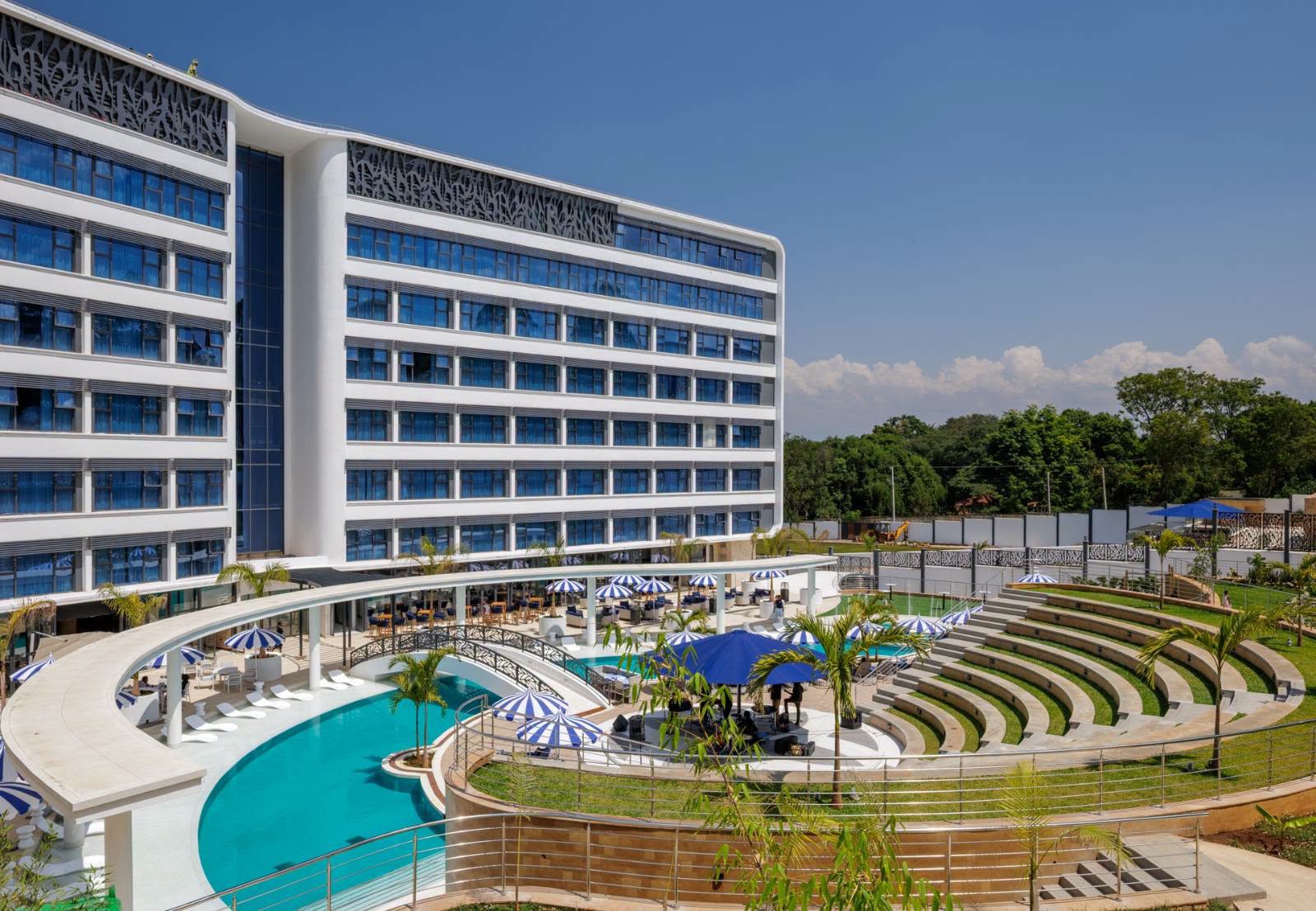
Questions have been raised in public discussions regarding land ownership and regulatory compliance. Available information indicates that the land is owned by Kenya Railways, a state corporation, and that the developers operate under a leasehold arrangement. Leasehold tenure on public land is a common and legally recognised framework in Kenya, particularly within municipalities, and has historically supported large-scale investments.
Concerns have also been mentioned regarding the hotel’s proximity to State House Nakuru. However, planning considerations appear to have been incorporated into the design, including building orientation and structural layout, to address security and privacy requirements in line with regulatory expectations.
In terms of economic contribution, the hotel has created employment opportunities across different levels, including permanent staff, contracted workers, and trainees. Internship and apprenticeship programmes linked to local institutions suggest an effort to integrate skills development into its operations.
Book a Mid-Article Native AdDesktop: Fluid (728x90) · Mobile: Fluid (300x250)The impact extends into the local supply chain, with the sourcing of goods and services from within Nakuru and surrounding areas. This includes agricultural produce and other operational inputs, which can provide indirect economic benefits to small businesses and suppliers.
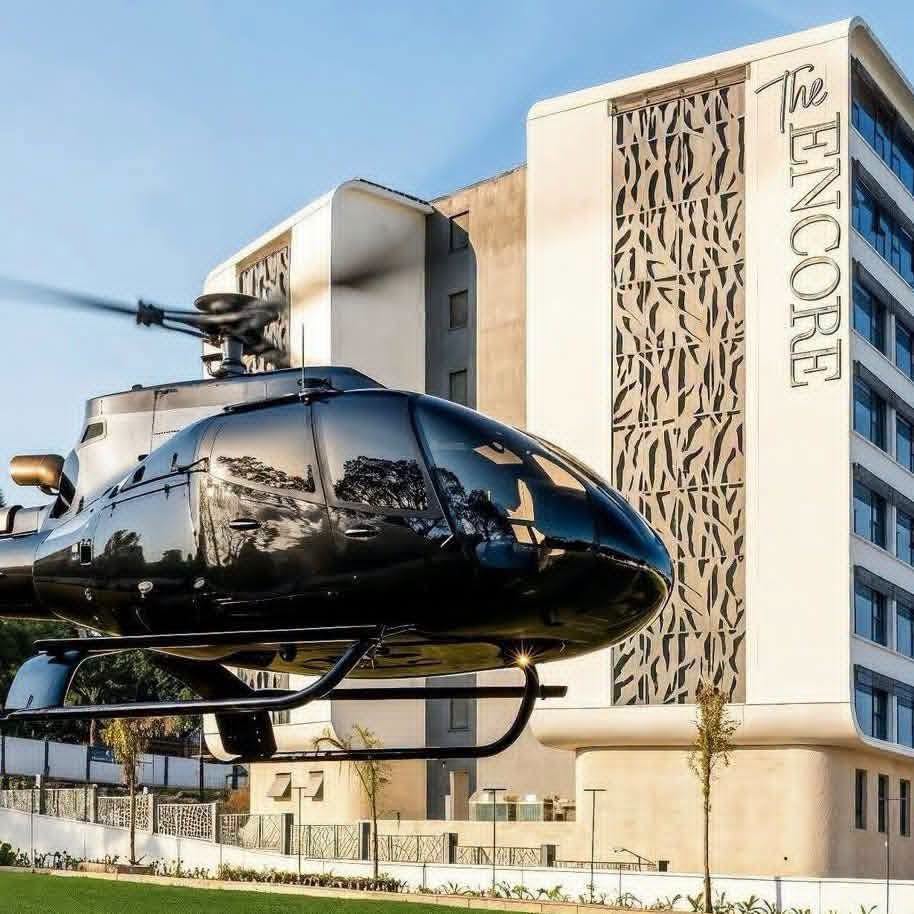
As Nakuru continues to expand following its elevation to city status, developments such as Encore Hotel illustrate the role of large-scale private investments in shaping urban growth. Their long-term significance will likely depend on sustained operations, integration with local economies, and alignment with regulatory and community expectations.
Overall, Encore Hotel Nakuru represents a high-value addition to the region’s hospitality sector, contributing to capacity in accommodation, conferencing, and related services while also raising broader discussions around urban development, investment, and planning.



Comments
No approved comments yet. Be the first to join the conversation.