
The Independent Electoral and Boundaries Commission, IEBC, has slapped Kipipiri Member of Parliament Wanjiku Muhia with a Ksh 1.5 million penalty for allegedly violating the Election Code of Conduct.
The electoral body also issued a formal warning to the legislator, cautioning her against making similar remarks in future. IEBC said a repeat offense would attract tougher sanctions.
The decision was communicated on Thursday and has since sparked debate about political speech, accountability, and enforcement of electoral rules ahead of the 2027 general election.
Book a Mid-Article Native AdDesktop: Fluid (728x90) · Mobile: Fluid (300x250)According to the commission, MP Muhia was found to have contravened provisions of the Code of Conduct that governs how political leaders and candidates are expected to behave during campaigns and public engagements.
The code requires leaders to refrain from hate speech, incitement, disinformation, and remarks that could undermine peace or the integrity of the electoral process.
In its ruling, IEBC imposed a financial penalty of Ksh 1.5 Million on the Kipipiri MP. Beyond the fine, the commission issued a written warning instructing Muhia to desist from repeating the statements that triggered the complaint.
“Any further violation of this nature will lead to more severe action,” the commission stated, signaling that future breaches could result in harsher penalties, including possible disqualification from elective office.
Book a Mid-Article Native AdDesktop: Fluid (728x90) · Mobile: Fluid (300x250)IEBC did not publish the exact remarks in the initial notice, but said the statements were reviewed and found to be inconsistent with the standards expected of elected leaders during the election period.
Wanjiku Muhia is the serving MP for Kipipiri Constituency in Nyandarua County. She was first elected to Parliament and has been an active voice on issues touching on women, youth, and development in the Mt. Kenya region.
As a sitting MP, Muhia is expected to model compliance with electoral laws, especially as political activity begins to pick up with by-elections and early campaigns for 2027.
Her office had not issued a detailed public response by Thursday evening. Sources close to the MP indicated that her legal team was reviewing the IEBC decision and weighing options, including an appeal.
Kenya’s Election Code of Conduct was developed to promote peaceful, fair, and credible elections. All political parties, aspirants, and elected leaders are expected to sign and abide by it.
The code is enforced by IEBC, which has powers to investigate complaints, issue warnings, impose fines, and in extreme cases, recommend further action to other agencies.
Electoral experts say the enforcement of the code has become more stringent in recent cycles, as the commission seeks to prevent the kind of inflammatory rhetoric that contributed to post-election violence in previous years.
Although the next general election is still more than a year away, political activity has already intensified across the country. By-elections, party nominations, and grassroots mobilization have kept MPs and aspirants on the campaign trail.
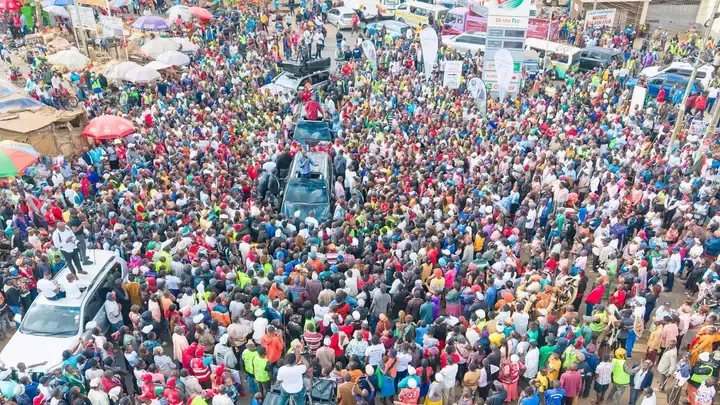
In Mt. Kenya, competition between different political formations has been particularly sharp. Leaders are jostling to define the region’s political direction, and public rallies often draw large crowds and media attention.
It is in this environment that IEBC says it will be closely monitoring speeches and social media activity. The commission has warned that it will not hesitate to act against any leader, regardless of party or status, who crosses the line.
The fine against Muhia is among the first high-profile penalties issued this cycle, and analysts say it sends a clear message.
Supporters of stricter enforcement argued that leaders must be held to account. “The law applies to everyone. If we want peaceful elections, we must tame reckless speech early,” said a civil society representative in Nairobi.
Others questioned whether the punishment was proportionate. Some of Muhia’s constituents expressed concern that the fine could affect development projects in Kipipiri, since MPs often use personal resources to supplement CDF initiatives.
Within Parliament, colleagues were cautious. A few defended Muhia, saying political leaders should be allowed room to express themselves. Others said the warning should serve as a lesson to all MPs to be careful with public statements.
IEBC says the Ksh 1.5 million fine must be paid within the timeframe outlined in its enforcement procedures. Failure to comply could lead to further administrative action.
The written warning also puts Muhia on notice. The commission made it clear that a second violation would trigger escalated sanctions. Those could include:
Legal experts note that the MP has the right to challenge the decision through IEBC’s internal dispute resolution mechanism or in court.
For now, the case is expected to be watched closely as a test of how firmly IEBC intends to enforce the code ahead of 2027.
Some welcomed the move, saying leaders must be responsible with their words. “We want development, not fights. If the fine will make leaders behave, then it’s good,” said one resident in Ol Kalou town.
Others worried about the timing. “We are just recovering economically. A big fine like that might affect how the MP helps people on the ground,” another voter noted.
Community leaders urged calm and asked both the MP and her critics to focus on service delivery rather than political confrontations.
Through the ruling, IEBC reiterated its commitment to a clean electoral process. Commission officials said they will continue monitoring public meetings, media interviews, and online platforms for compliance.
“The Code of Conduct is not optional,” an IEBC official said. “It is a commitment every leader makes. We will enforce it fairly, but firmly.”
The commission also encouraged members of the public to report violations, promising to investigate all complaints promptly.
The penalty against the Kipipiri MP comes at a time when political temperatures are slowly rising. Parties are recruiting, alliances are shifting, and voters are beginning to assess performance.
For IEBC, early enforcement is part of a strategy to set the tone: that the rules will be applied from the start, not just in the election year.
As one analyst put it: “This is not about silencing leaders. It’s about reminding them that with influence comes responsibility. Kenyans are tired of politics of insults and incitement.”
Whether Muhia appeals the fine or pays it, the case will likely be cited in future discussions about free speech, political accountability, and the role of IEBC in shaping election behavior.
For Kipipiri constituents, the focus now returns to development. But the warning from the electoral body will remain in the background — a reminder that the road to 2027 will be policed more closely than before.

Comments
No approved comments yet. Be the first to join the conversation.