
The Independent Electoral and Boundaries Commission is moving into the final phase of its preparations for the upcoming Ol Kalou Parliamentary By-Election, scheduled for Thursday, 16th July 2026. With polling day approaching, the commission says all operational plans are now running at full capacity to ensure residents of Ol Kalou Constituency participate in a process that is free, fair, and credible.
In a public update shared on its verified social media platforms, the IEBC confirmed that key training programs for election personnel have either been completed or are currently underway within the constituency. The announcement signals that the logistical and administrative groundwork for the by-election is well advanced, as the commission seeks to uphold public confidence in the electoral process.
A central part of any election is the human resource that manages it on the ground. According to the IEBC, the training of Deputy Presiding Officers and Presiding Officers for Ol Kalou has already been successfully concluded. These two categories of officials play a critical role in the management of polling stations. Presiding Officers are in charge of overall operations at each polling station, while Deputy Presiding Officers support them and step in where necessary to ensure procedures are followed to the letter.
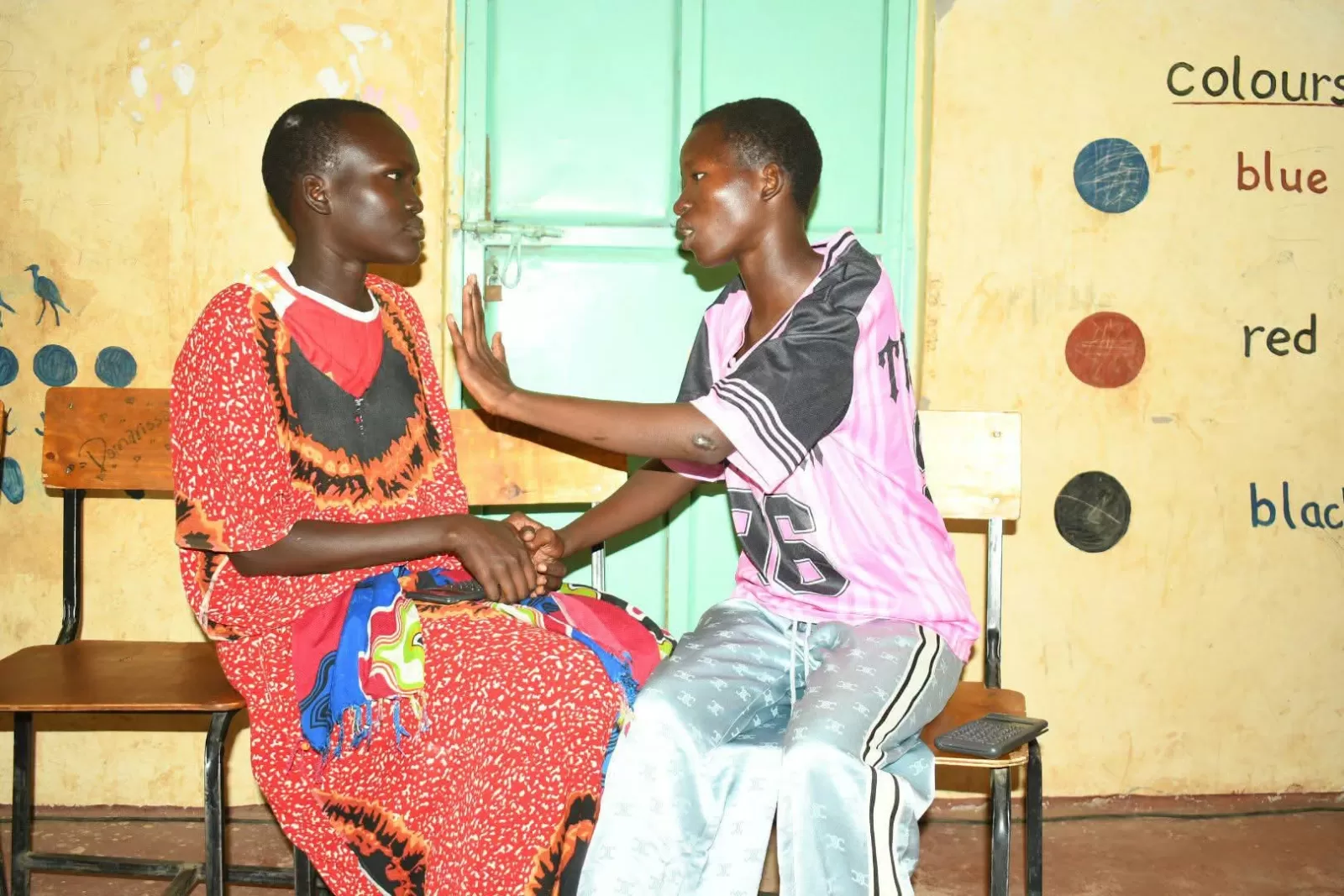
Book a Mid-Article Native AdDesktop: Fluid (728x90) · Mobile: Fluid (300x250)The commission also noted that training for Polling Clerks is presently ongoing in Ol Kalou Constituency. Polling Clerks are responsible for handling voters at the polling stream level. Their duties include verifying voter identification, checking the register, issuing ballot papers, and maintaining order at the point of voting. Because they are often the first point of contact between voters and the electoral system on polling day, their preparedness is considered essential to reducing delays and ensuring a smooth experience for the electorate.
The IEBC emphasized that these training sessions are not routine formalities. They are designed to equip officials with both the technical knowledge and practical skills needed to administer the by-election in line with the Constitution, the Elections Act, and the commission’s own regulations. Topics covered during the training typically include voter verification procedures, ballot paper handling and security, management of election materials, dispute resolution at the polling station, and the correct procedures for vote counting and results transmission.
In its statement, the IEBC said the ongoing capacity building is part of a broader objective: to deliver an election that meets the highest standards of integrity. The commission specifically highlighted four principles guiding the process — freedom, fairness, transparency, and credibility.
“Free” refers to an environment where voters can make their choices without intimidation, coercion, or interference. “Fair” means all candidates and political parties are accorded equal treatment under the law and in the administration of the election. “Transparent” points to the openness of processes, from voter registration to results announcement, so that stakeholders and observers can verify what happens at each stage. “Credible” is the outcome the commission hopes to achieve when the first three principles are fully realized.
Book a Mid-Article Native AdDesktop: Fluid (728x90) · Mobile: Fluid (300x250)As the body mandated by the Constitution to conduct and supervise elections and referenda in Kenya, the IEBC bears the responsibility of ensuring that every by-election, regardless of scale, meets the same standards applied during a general election. The Ol Kalou exercise is no exception.
By-elections are called when a parliamentary seat becomes vacant between general elections. While the IEBC’s post did not specify the reason for the vacancy in Ol Kalou, such vacancies commonly arise due to death, resignation, nullification of an election by a court, or a member being barred from holding office.
Ol Kalou Constituency is located in Nyandarua County in Kenya’s Central region. It is one of the constituencies that has historically recorded high voter turnout and competitive political contests. Because parliamentary representation directly affects legislation, oversight, and allocation of resources at the national level, the by-election is expected to attract significant interest from voters, political parties, civil society, and the media.
The outcome will determine who represents Ol Kalou residents in the National Assembly until the next general election. In that sense, the vote carries immediate implications for local development priorities, constituency funding, and representation in parliamentary committees and debates.
With the training of Presiding and Deputy Presiding Officers complete and Polling Clerk training in progress, the IEBC says it is now finalizing other aspects of the election plan. These typically include the delivery and distribution of election materials, finalization of polling station lists, deployment plans for security and electoral staff, and voter education activities.
The commission has also been engaging stakeholders in the constituency, including political parties, candidates, community leaders, and observers, to brief them on timelines and procedures. Such engagements are meant to reduce misunderstandings and to create a shared understanding of the rules that will govern the day.
Logistics in a constituency-level election can be complex. Materials such as ballot papers, result declaration forms, indelible ink, and ballot boxes must be accounted for and moved securely to each polling station. Technology for voter identification and results transmission is also tested ahead of time to minimize failures on polling day.
Recognizing the role that accurate information plays in a healthy electoral process, the IEBC urged the public to rely only on official channels for updates about the by-election.
The call comes amid growing concern about the spread of false information during election periods. To address this, the IEBC has been using the hashtag #StopFakeNews in its communications. The commission has repeatedly warned that misinformation can mislead voters, incite tension, and undermine trust in the process. By encouraging people to verify any information through official sources, the IEBC hopes to limit the impact of rumors and doctored content.
For voters in Ol Kalou, the next few weeks will involve continued voter education, candidate campaigns, and logistical preparations by the commission. On polling day, 16th July 2026, polling stations are expected to open early and operate according to the procedures that officials are currently being trained on.
Voters will be required to present themselves for identification, have their details confirmed in the register, and cast their ballots in secret. After voting ends, counting will take place at the polling station in the presence of agents, after which results will be announced and transmitted as required by law.
The IEBC has stated that it will provide regular updates as the date approaches. The commission also encourages residents to visit its website and social media pages to confirm details such as polling station locations and voting requirements.
By-elections, while localized, serve as an important test of the electoral system. They allow the IEBC to apply lessons from previous elections, test new procedures, and demonstrate its readiness to manage larger national exercises. For the people of Ol Kalou, the by-election is an opportunity to choose a representative who will articulate their interests in Parliament.
The commission’s statement that preparations are “in top gear” indicates that it is treating the 16th July date with the seriousness it deserves. From training of staff to public communication, the focus remains on delivering a process that residents can trust.
As the countdown continues, all eyes will be on Ol Kalou. The IEBC’s success in managing this by-election will not only determine representation for the constituency but will also reinforce public confidence in Kenya’s electoral institutions ahead of future polls.
Comments
No approved comments yet. Be the first to join the conversation.