
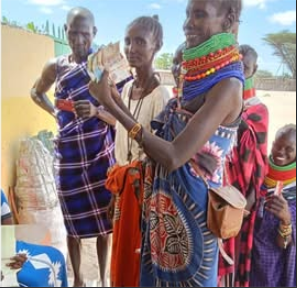
TIYA VILLAGE, LOIMA SUB-COUNTY, TURKANA COUNTY – A county-wide verification and registration exercise under the national Inua Jamii Cash Transfer Programme is under way in Turkana, targeting older persons aged 70 and above and other eligible categories of vulnerable residents. For a county where distance, insecurity, and infrastructural deficits have historically excluded significant portions of the population from social protection schemes, the decentralisation of registration to the village level represents a notable, if partial, shift in service delivery.
Inua Jamii is the Kenyan government's flagship social protection framework, consolidating cash-transfer support to older persons, persons with severe disabilities, and orphaned and vulnerable children. Its objective is to reduce chronic poverty and improve household welfare among populations with limited or no independent means of income. The programme's effectiveness, however, has long depended on the reach of its registration infrastructure – a variable that this latest exercise appears designed to address directly.
Community Reception: Access as the Central Concern
At the registration centre in Tiya Village, community elder James Akure characterised the decision to bring registration closer to residents as a meaningful correction to previous exclusion. "We are very happy the government has brought this registration to our doorstep. Many elderly people who missed earlier registration have suffered for years without support. We hope everyone who qualifies will now be included," he said.
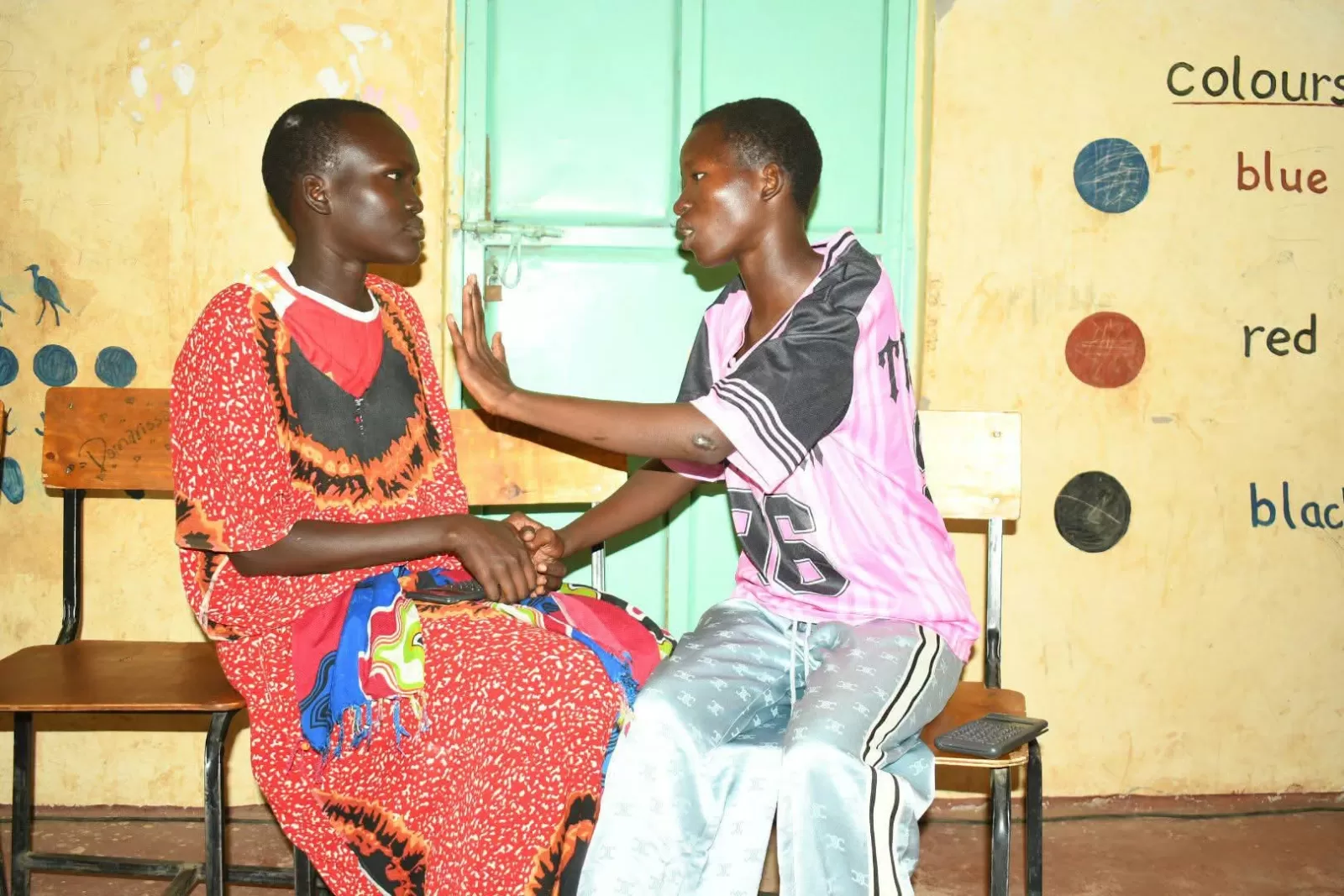
Akure's account is corroborated, in inverse form, by the experience of Christina Teko, a resident of Kolioro living with a disability. Teko told this publication she was excluded from both the Inua Jamii registration exercise conducted five years ago and the second phase of the Hunger Safety Net Programme (HSNP), citing an inability to travel to registration centres and the absence of assistance to do so. Her account illustrates a structural limitation of registration-based welfare systems more broadly: eligibility on paper does not guarantee enrolment where physical or logistical access is itself a barrier.
Book a Mid-Article Native AdDesktop: Fluid (728x90) · Mobile: Fluid (300x250)Teko further identified a secondary and increasingly consequential obstacle – mobile-line registration requirements now attached to disbursement. She called on the national government and its partners to deploy Safaricom agents alongside registration teams, enabling elderly and disabled residents to register new SIM cards or replace existing ones without separate travel. "Many of us cannot complete registration because we don't have registered Safaricom lines, yet that is now required to receive payments," she said. The observation points to a broader policy tension worth noting: the shift toward mobile-money disbursement, intended to reduce the cost and burden of physical payment collection, risks introducing a new digital-access precondition that disproportionately affects the same populations the programme is designed to serve.
Programme Administration and Enrolment Requirements
Shadrack Okumu Oringa, identified in official communication as Turkana Central Sub-County Coordinator for Social Services, stated that the programme continues to materially improve outcomes for residents aged 70 and above who require sustained care and support.
Oringa confirmed that the current verification and registration window runs from 25 June to 6 July 2026, and urged all eligible elderly residents to complete the process before its close.
According to Oringa, beneficiaries now receive their monthly stipend – reported at KES 2,000 – directly via mobile phone, eliminating the transport costs and delays previously associated with in-person collection at banking institutions.
Book a Mid-Article Native AdDesktop: Fluid (728x90) · Mobile: Fluid (300x250)Framing registration as accessible to all eligible elderly persons, Oringa advised applicants to present themselves at their nearest Department of Social Services office or area Chief's office with a national identification card and a Safaricom line registered in their own name. Where a caregiver applies on behalf of a beneficiary, both the caregiver's identification and their own registered mobile number are required. Oringa cautioned against multiple or duplicate registrations, noting that the system automatically flags and disqualifies duplicate entries.
Scope of the Rollout
The exercise is reported to extend across all sub-counties in Turkana, with the stated objective of ensuring no eligible senior citizen is excluded from the programme.
Residents at the Tiya Village centre broadly welcomed the outreach model, expressing the view that decentralised registration would enable the enrolment of previously excluded elderly persons and other vulnerable groups. Whether this optimism translates into measurable gains in enrolment coverage – particularly for residents facing the mobility and connectivity constraints described by Teko – remains an open question meriting follow-up reporting once the registration window closes on 6 July 2026.

Comments
No approved comments yet. Be the first to join the conversation.