
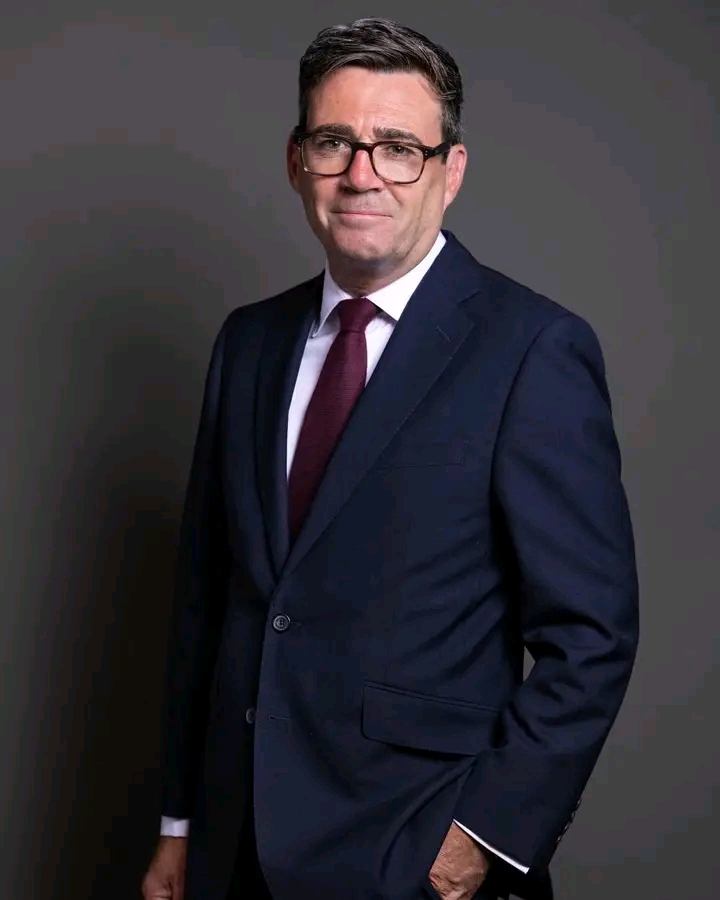
Kenyan President William Samoei Ruto has sent a public message of goodwill to The Right Honourable Andy Burnham following news of his appointment as Prime Minister of the United Kingdom. The congratulatory note, frames the leadership change in London as an opportunity to deepen the historic ties between Nairobi and London and to pursue joint priorities in trade, climate action, innovation, and security.
The message was addressed directly to Burnham and spoke on behalf of both the Kenyan people and the Government of the Republic of Kenya. Ruto wished the new British leader success as he takes on what he described as an important national responsibility.
In his statement, President Ruto linked Burnham’s elevation to a long career in public life. He noted that the appointment comes after years of service and a consistent focus on leadership that puts citizens first.
Book a Mid-Article Native AdDesktop: Fluid (728x90) · Mobile: Fluid (300x250)“Your appointment is the culmination of a distinguished record of public service and a steadfast commitment to practical, people-centred leadership,” Ruto wrote.
He went further to draw a parallel between that approach and Kenya’s own policy direction. According to the President, Burnham’s emphasis on practical solutions and community-focused governance aligns closely with Kenya’s Bottom-Up Economic Transformation Agenda, or BETA. BETA has been the central pillar of Ruto’s administration since 2022, and it prioritizes support for micro, small and medium enterprises, affordable housing, healthcare, digital jobs, and agricultural value chains. The idea, the government has said repeatedly, is to grow the economy by investing at its base rather than only at the top.
By connecting Burnham’s political philosophy to BETA, Ruto signaled that he sees common ground between the two governments, even across different political systems and economic contexts.
The core of the message looked forward rather than backward. President Ruto expressed a clear interest in working closely with the new UK administration to build on a relationship that both countries describe as long-standing and mutually beneficial.
Book a Mid-Article Native AdDesktop: Fluid (728x90) · Mobile: Fluid (300x250)Kenya and the UK already have an Economic Partnership Agreement that governs bilateral trade. The UK remains one of Kenya’s largest export destinations in Europe, particularly for horticulture, tea, and textiles. Ruto’s note suggests Nairobi wants to push that relationship further, potentially by attracting more British investment into manufacturing, logistics, and the digital economy.
Both countries have made climate commitments and are looking to transition to cleaner energy. Kenya has positioned itself as a leader in geothermal, wind, and solar power in Africa. The President’s reference to green growth indicates an expectation that the UK will be a partner in financing, technology transfer, and carbon market development.
Kenya’s tech sector, centered in Nairobi, has become a hub for fintech, agritech, and healthtech in the region. The UK, with its universities, venture capital, and research institutions, is a natural partner. Ruto’s message points to more joint work in digital skills, startups, and research.
The two nations have cooperated for years on counterterrorism, maritime security in the Indian Ocean, and peacekeeping. With global security challenges evolving, Ruto signaled that security will remain on the bilateral agenda.
The President left room for additional areas of cooperation, suggesting that the agenda between Nairobi and London is broad and flexible.
Beyond policy specifics, the tone of the message was warm and forward-looking. Ruto spoke of strengthening “the enduring friendship between our two nations” and of creating “greater opportunities and shared prosperity for the citizens of our two nations.”
That language reflects the unique nature of Kenya-UK relations. The two countries share historical ties dating back to the colonial period, but in recent decades the relationship has been recast around trade, development, education, and people-to-people links. There is a large Kenyan diaspora in the UK, and thousands of British tourists visit Kenya each year. British firms are also active in Kenyan banking, insurance, energy, and retail.
By reaching out so quickly on social media, Ruto also demonstrated the role digital diplomacy now plays. A social media post reaches citizens directly, bypasses traditional press statements, and sets the tone for government-to-government engagement. The timing, just minutes after the news broke, showed Nairobi’s intent to be among the first African capitals to engage the new British leadership.
Leadership transitions in the UK are closely watched in Kenya for practical reasons. Britain is a key development partner, a major investor, and a voice in multilateral forums where Kenya seeks support on debt, climate finance, and trade rules. Any new Prime Minister brings a new team, new priorities, and potentially new approaches to Africa.
Ruto’s decision to highlight people-centred leadership and economic transformation suggests Kenya will be pushing for a partnership that delivers tangible benefits to ordinary citizens, not just to government elites or large corporations. That is consistent with how he has framed foreign policy since taking office: less about ceremony, more about jobs, investment, and services.
The reference to green growth is also notable. Kenya will host and participate in several international climate discussions in the coming year, and it is keen to attract funding for renewable energy projects and adaptation programs. The UK, as a major donor and a country with expertise in green finance, is a logical partner.
On innovation, the alignment is equally clear. Kenya wants to become a digital economy leader on the continent. The UK wants partners in Africa with strong talent pools and fast-growing markets. A closer partnership could mean more exchange programs, more joint research, and more British capital flowing into Kenyan startups.
President Ruto closed his message with a statement of optimism. He said that together, Kenya and the UK can build on their history to create new opportunities. That suggests upcoming high-level contacts, possibly a call between the two leaders, and later, meetings between ministers and business delegations.
For now, the social media post serves as both a diplomatic courtesy and a policy signal. It congratulates the new UK Prime Minister, it affirms shared values, and it lays out an agenda.
In international relations, the first message often sets the tone for the next several years. By emphasizing practical cooperation, economic opportunity, and friendship, President Ruto has indicated that Nairobi sees London as a partner in delivering growth that reaches communities at the grassroots.
As both governments settle into their respective priorities, the coming months will show how that vision translates into agreements, investments, and programs. What is clear from Ruto’s note is that Kenya intends to approach the new chapter in UK leadership with a clear agenda: more trade, more green jobs, more innovation, and stronger security cooperation, all built on the foundation of a long friendship.
The message has already generated discussion online among Kenyans and members of the diaspora, many of whom see the UK as both a historic partner and a key market for Kenya’s goods and talent. How that public interest translates into policy will be the next test for the renewed partnership.



Comments
No approved comments yet. Be the first to join the conversation.